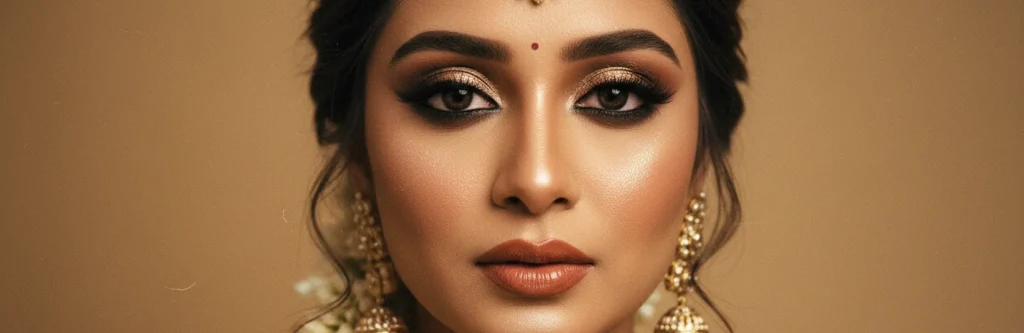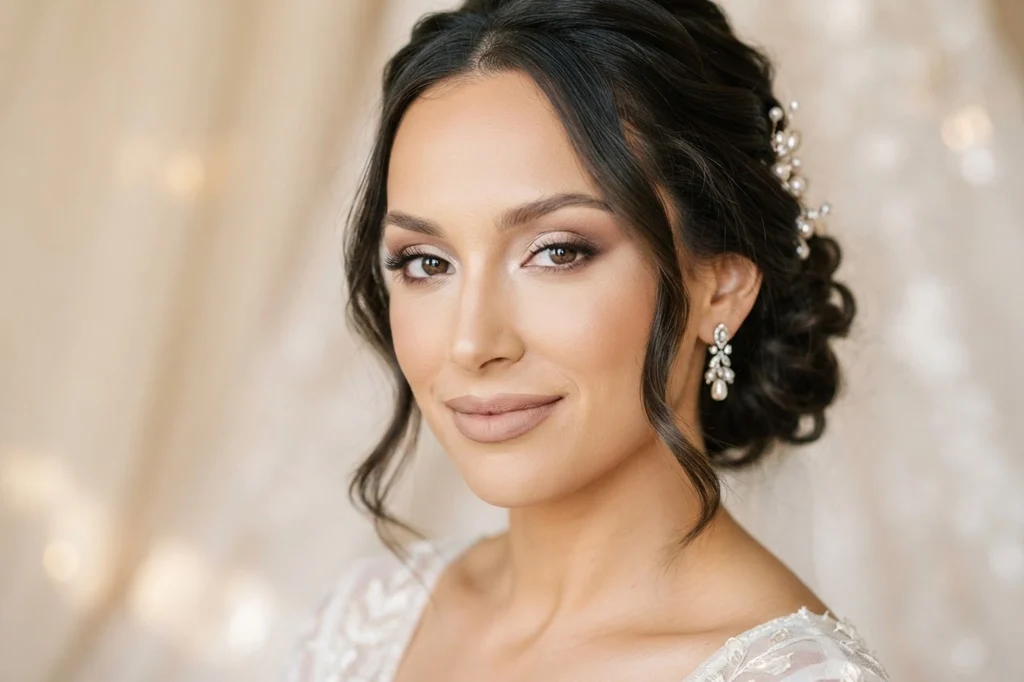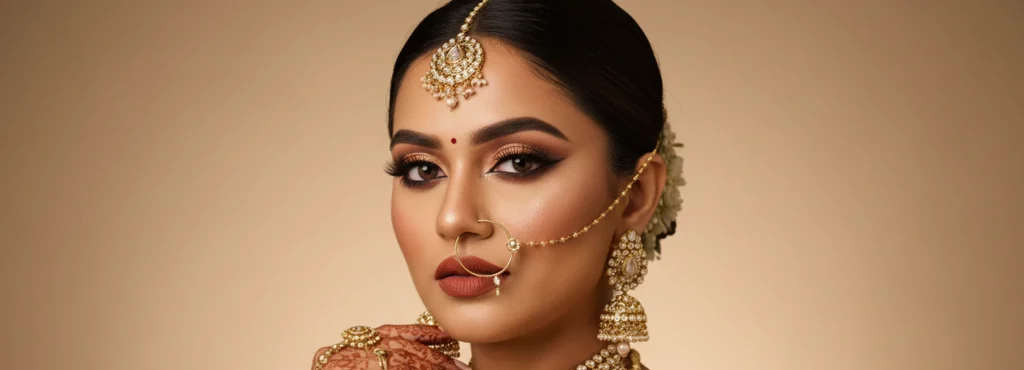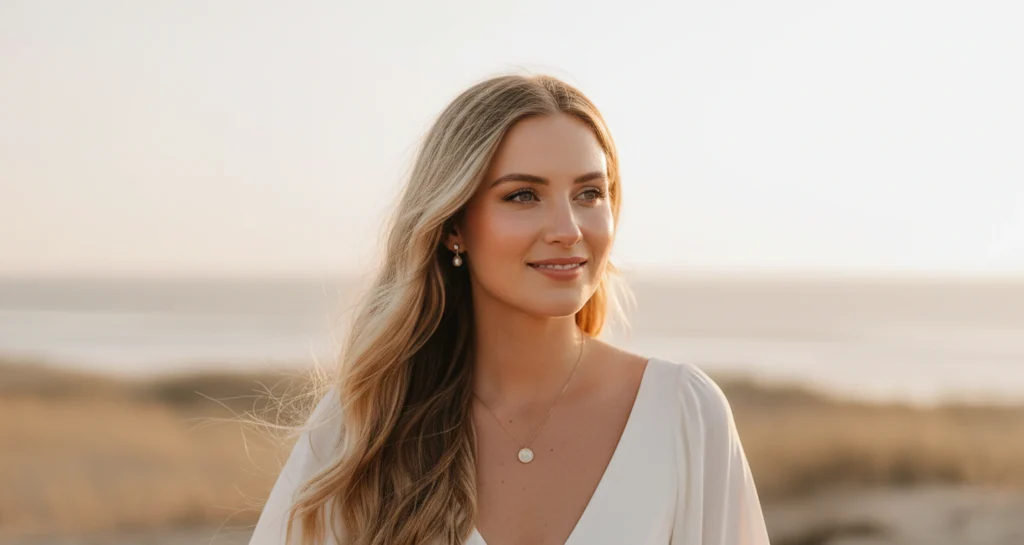
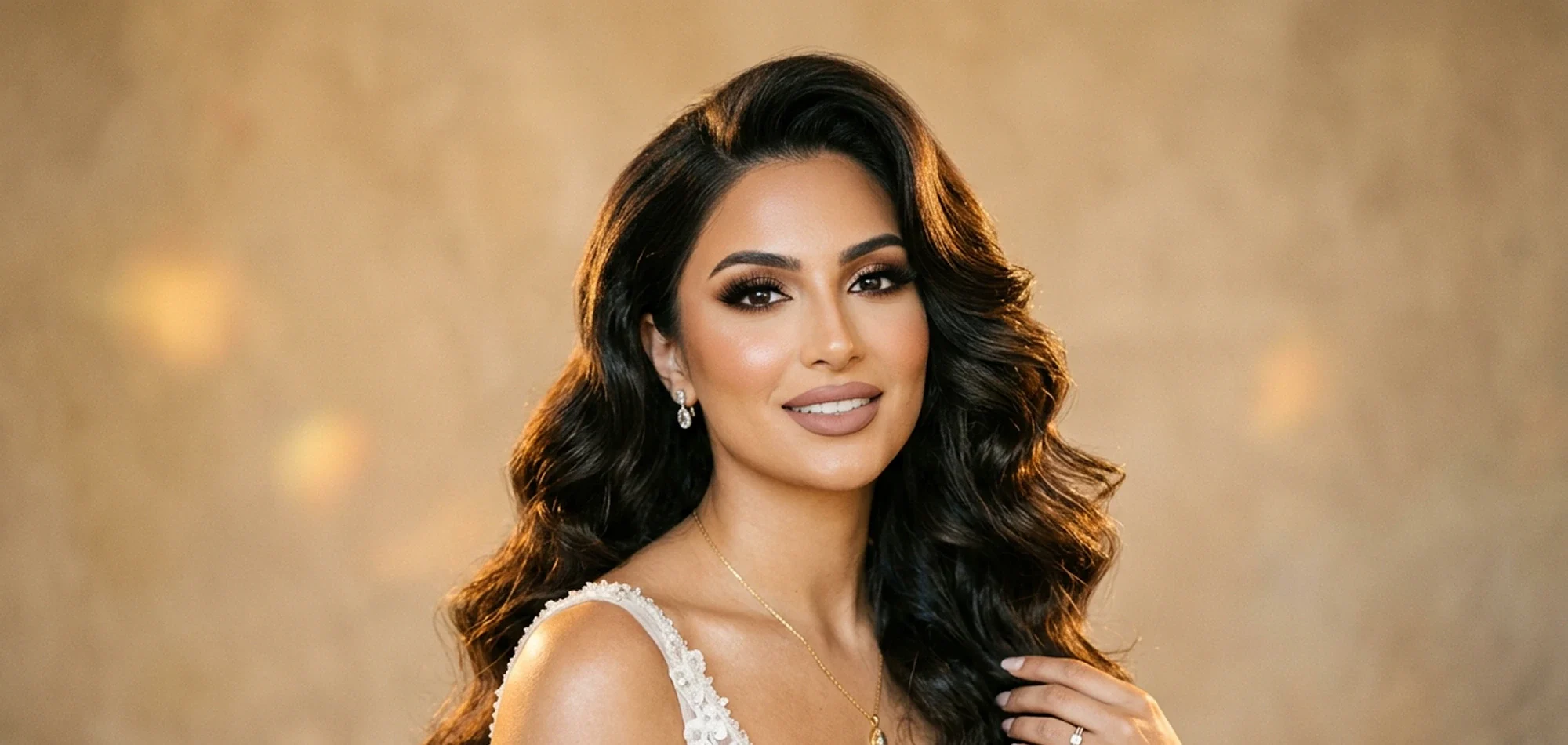
Hair extensions come up in almost every bridal consultation – not always because the bride wants them, but because she’s not sure whether she needs them. The question usually sounds like this: ‘My hair is fine and there isn’t much of it – can I still get the look I want?’ Or: ‘I’ve seen a lot of brides with incredible hair volume and I don’t know if that’s real.’ It’s a fair thing to wonder about.
Extensions have become a standard part of the professional bridal kit and a lot of the hair you see in wedding photos – the volume, the length, the thickness – wouldn’t exist without them. This guide explains exactly what clip-in extensions do, when they genuinely make a difference and when they don’t, what the process looks like and how to decide whether they’re right for your day.
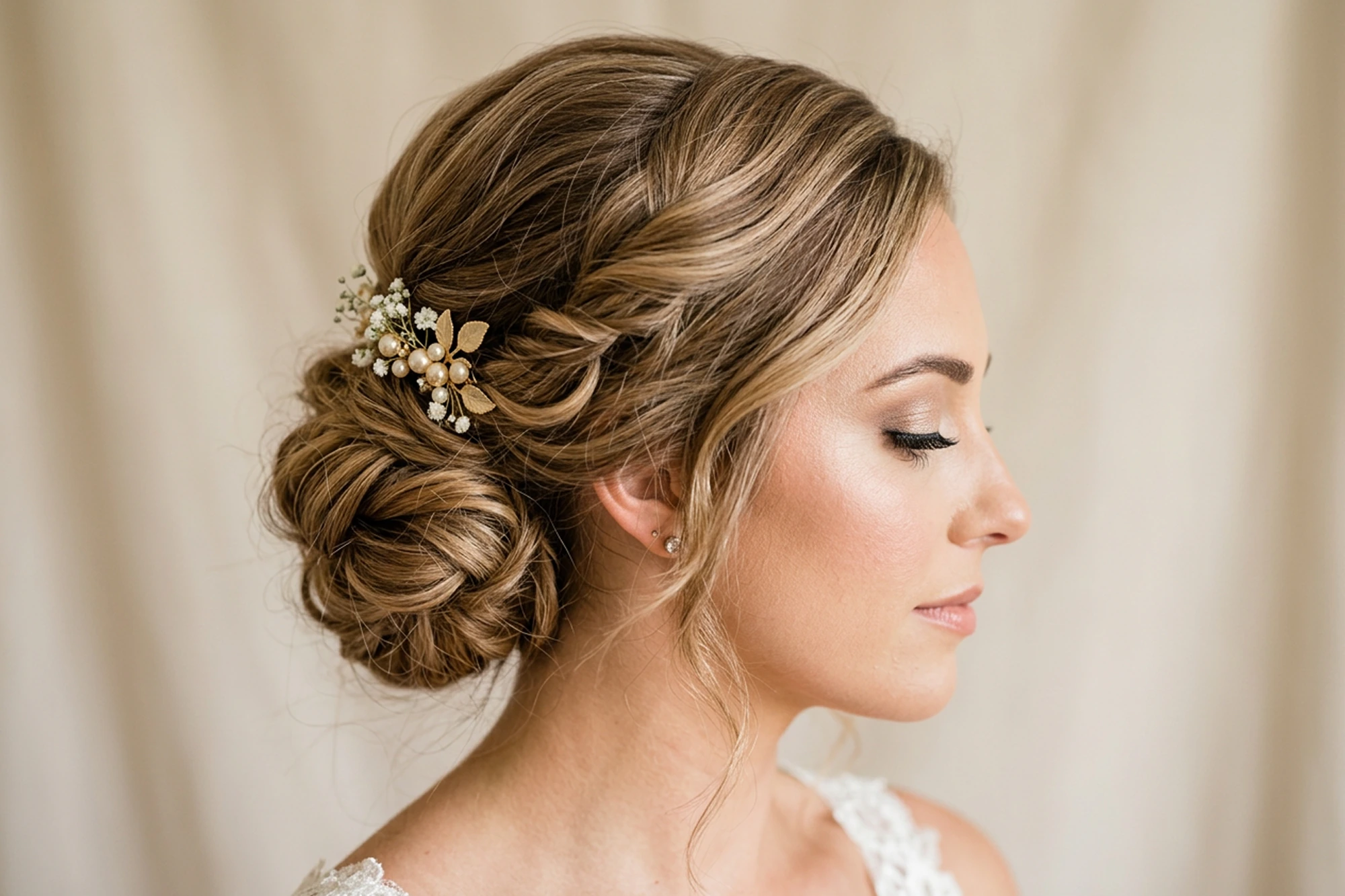
The function of clip-in extensions in a bridal context is specific and worth understanding clearly before you decide anything. They add volume and density to fine or thin hair, they add length to hair that isn’t long enough to achieve a particular style and they give the artist more to work with when building an updo, half-up or wave style that requires a certain mass of hair to hold its shape properly. A low bun that looks full and structured on a bride with thick hair will look flat and thin on the same bride with fine hair – extensions bridge that gap. They’re not a transformation; they’re a correction for a specific technical problem.
What they don’t do is change the texture or health of your natural hair, and they don’t fix a style that isn’t working for other reasons. An updo that doesn’t suit your face shape won’t be improved by extensions. A look that requires a texture your natural hair doesn’t have – tight curls on naturally straight hair, for example – won’t be solved by adding length or volume. Extensions are a volume and length tool. That’s the scope. Understanding that scope helps you have a more useful conversation with your artist at the trial, which is where the real decision gets made based on your actual hair rather than a general assessment.
The honest answer is that extensions aren’t necessary for every bride – and overselling them to brides who don’t need them is something we actively avoid. A bride with naturally thick, healthy hair at a good length for her chosen style doesn’t need extensions. An artist who suggests them anyway, without a clear reason, is either upselling or hasn’t thought through the brief properly. The decision should always be driven by whether your natural hair can achieve the look you’ve confirmed at the bribal trial. If it can – no extensions needed. If there’s a gap between what your hair does naturally and what the look requires – that’s when extensions become a practical call rather than a luxury.
The situations where we most consistently recommend clip-in extensions for bridal clients in the GTA: fine or low-density hair that loses structure quickly in updos, hair that’s grown out but not quite long enough for the style the bride wants, hair with significant layers that create gaps in structured styles and hair that’s been chemically treated or heat-damaged to the point where it won’t hold a style cleanly. If any of those descriptions fit your situation, extensions are worth a serious conversation. If they don’t, save the $60 application fee and invest it somewhere else in the day.
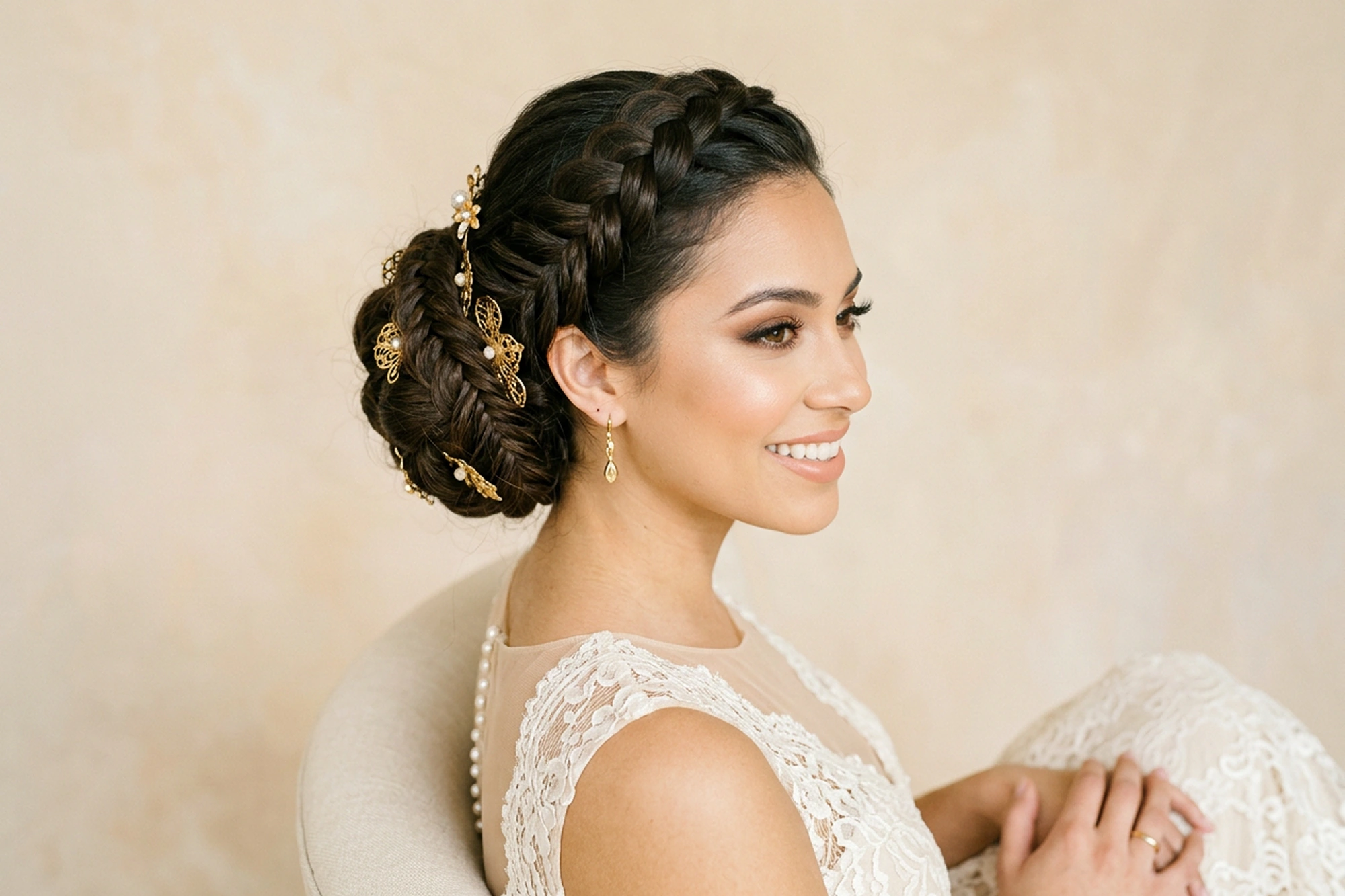
For a wedding day, clip-in extensions are almost always the right choice over permanent methods – tape-ins, keratin bonds, micro-links. Permanent extensions installed weeks before the wedding introduce a variable into the equation that you don’t control: how well they integrate with your hair, whether your scalp reacts to the adhesive or tension, whether they affect the texture of your natural hair in a way that changes how your chosen style sits. Clip-ins are applied by the artist on the morning of the wedding, integrated seamlessly into the style and removed at the end of the night. No commitment, no recovery period, no risk of an adverse reaction two weeks before the ceremony.
Permanent extensions do have a place in the wedding beauty conversation – specifically for brides whose hair is significantly shorter than what’s needed for any of the looks they’re considering, who want the length and volume to feel natural throughout the entire planning period including the trial, the pre-wedding events and the wedding itself. In that case, the installation timing matters: permanent extensions need to be in for at least four weeks before any significant event so the hair has settled and the artist can work with them naturally. If you’re considering permanent extensions for your wedding, start the conversation with your hairstylist – not your makeup and hair artist – at least three months before the wedding date.
The application process for clip-in extensions in a bridal context is faster and more integrated than most brides expect. It’s not a separate step that adds an hour to the morning – it’s woven into the hair styling process itself, typically adding 15 to 20 minutes depending on how many wefts are being used and how thoroughly they need to be blended. The artist sections the natural hair, clips in the weft pieces at the right points for the style being created and then works the natural hair and extensions together into the look. Done correctly, they’re completely invisible in photos and undetectable in person, even from close up.
The key to a seamless result is the match between the extensions and the natural hair. Colour, texture and density all need to align – an extension that’s slightly too dark or too light, or that has a different texture than the natural hair, will show even after blending. This is why sourcing and testing extensions before the wedding day matters. If you’re purchasing extensions through us, we source to match your specific hair at the consultation. If you’re bringing your own, they need to be confirmed at the trial – not on the morning itself, when there’s no time to adjust if something doesn’t work.
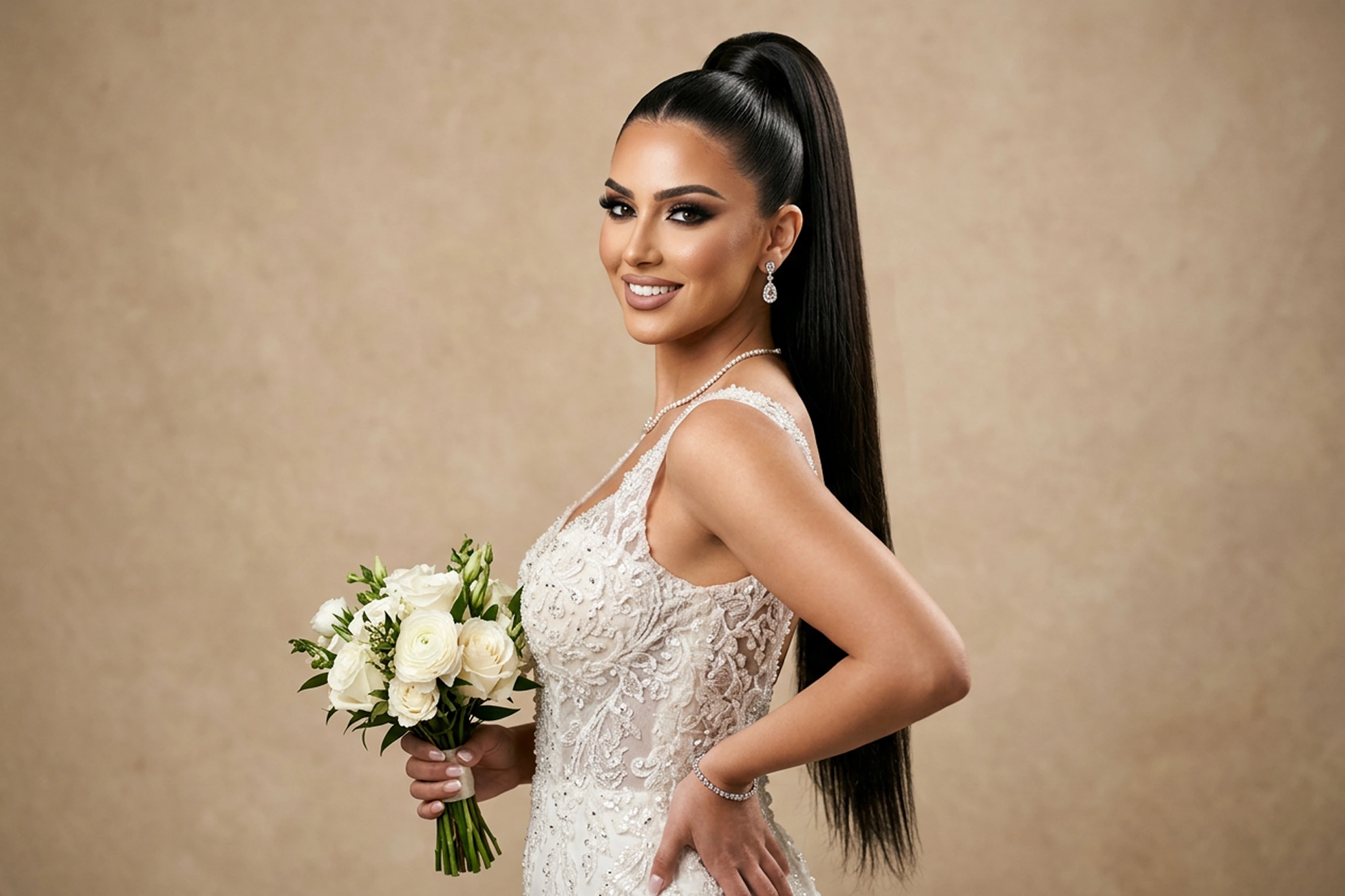
If extensions are a possibility for your wedding – even just something you’re curious about – the trial is the right place to test them. Not before, not after. The trial is specifically designed to answer exactly this kind of question: does your natural hair achieve the look on its own, or is there a gap that extensions would close? Bringing that question to the trial gives your artist the information they need to assess properly, and it gives you the answer in a real application environment rather than a hypothetical one. Come to the trial with your natural hair clean and unstyled – don’t pre-style it in an attempt to show what it can do, because the artist needs to see the baseline.
If you already know you want extensions – because you’ve tried the look before and know your hair won’t achieve it without them – source the extensions before the trial so they can be confirmed and integrated into the brief at that session. Extensions brought to the trial that don’t match or don’t blend correctly still leave time to source replacements before the wedding day. Extensions sourced the week before the wedding leave no margin for adjustment. That’s the timing principle that matters most with extensions: the earlier decisions are made, the more room there is to correct anything that needs correcting.
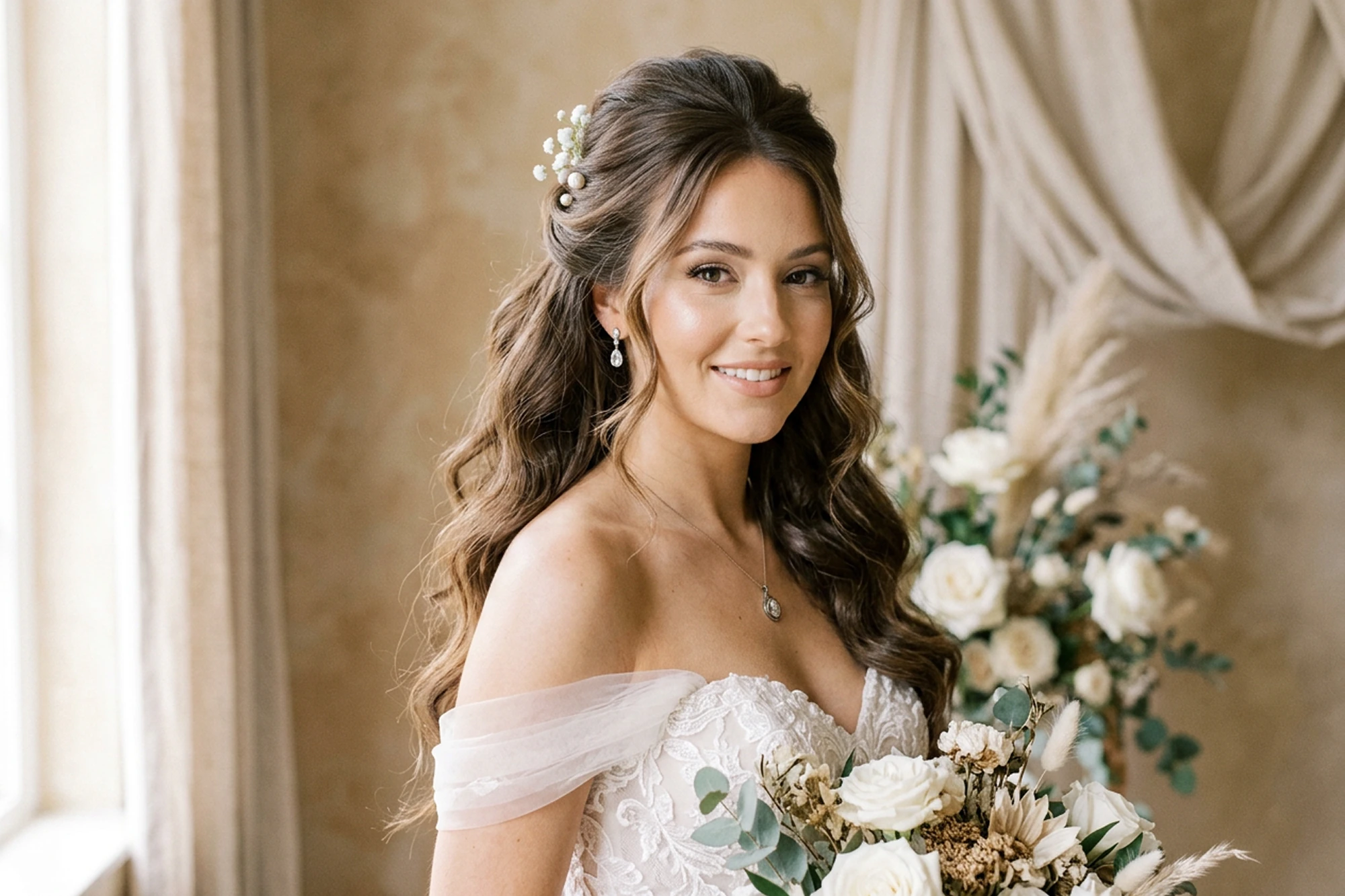
Clip-in extensions don’t require special care through the day – they stay in place as part of the style and are subject to the same conditions as the rest of the look. A style that’s been properly set and finished will hold with or without extensions for the full duration of a wedding day. That said, there are a few practical things worth knowing going into the day. Extensions are attached to the natural hair via clips that grip at the roots – if you’re wearing a style where someone will be touching your hair (a dupatta being set, a veil being pinned, hairpieces being added), tell your artist so the extension wefts can be positioned to avoid those areas or secured more firmly.
At the end of the night, removal is simple – the clips open and the wefts come out. The natural hair underneath hasn’t been chemically altered or mechanically stressed in any lasting way. If you’ve purchased your extensions with the intention of wearing them again – for events after the wedding, for a honeymoon, for future occasions – store them properly: brush out any product, lay them flat or hang them and keep them away from heat. A well-maintained set of clip-in extensions lasts significantly longer than one session.
The trial is exactly the right place to answer this question – with your actual hair, in real conditions, with an artist who can assess it properly. If your hair can achieve the look without extensions, we’ll tell you and save you the cost. If there’s a gap that extensions would close, we’ll show you the difference and let you decide. We work with brides across the GTA – mobile and on-location, every booking starting with a trial that removes every open question before the day itself.