
Booking a wedding makeup artist is one of those things that looks simple until you’ve done it. You find someone whose portfolio looks great, you exchange a few messages, you sign something — and then you’re three months out wondering whether you actually asked the right things. We’ve been doing this for over 11 years, and we’ve heard every story: the artist who showed up late, the one who ghosted after the deposit, the one who’d ‘done South Asian weddings’ but had no idea how to work with a dupatta. This list exists so that doesn’t happen to you.
These aren’t trick questions. They’re the ones any serious, experienced artist should answer without hesitation. If someone stumbles on them — that’s useful information.
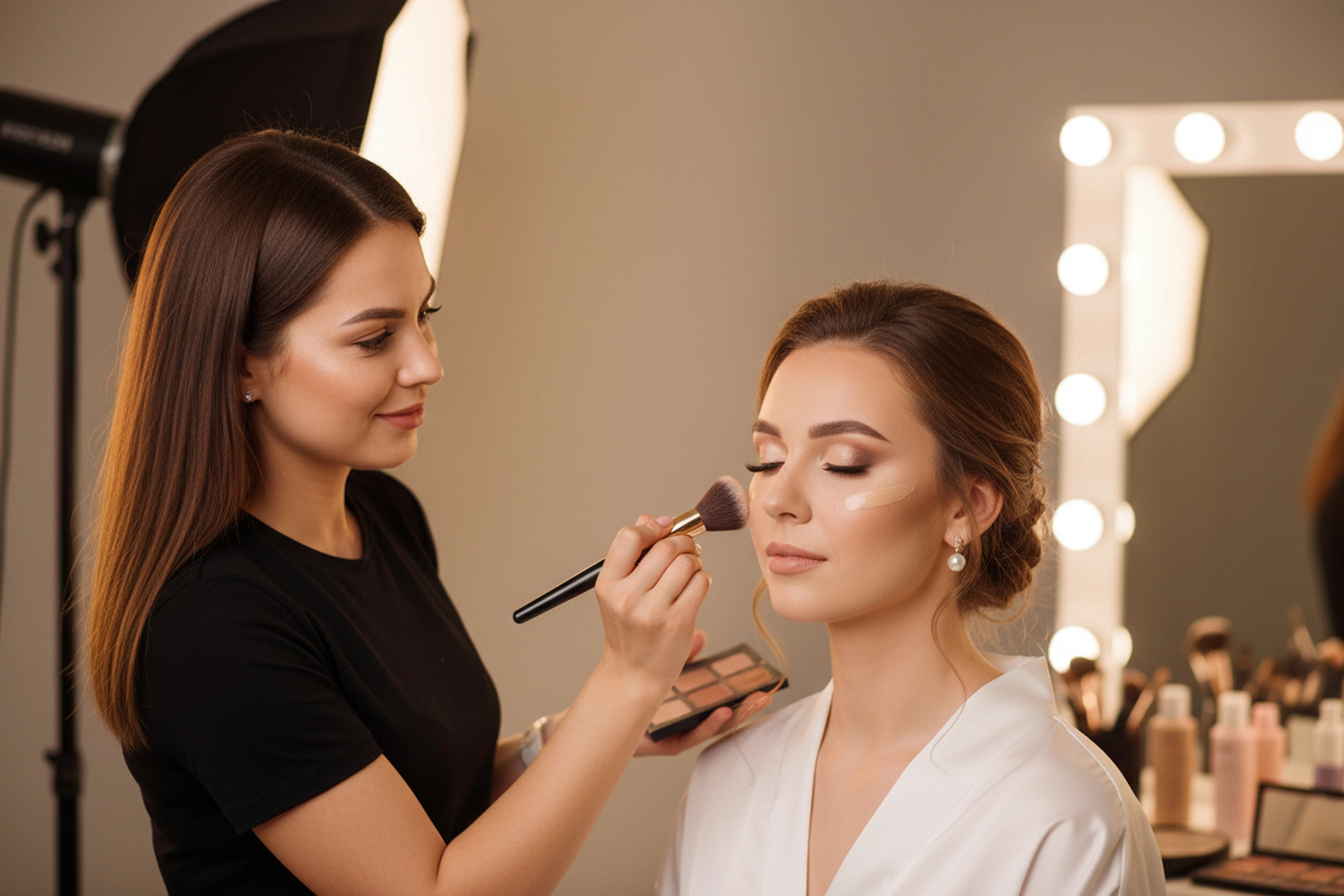
Portfolios are curated. A styled shoot happens in perfect light, at a leisurely pace, with a photographer who knows how to make everything look editorial. A real wedding is 7 AM in a hotel room with four people getting ready at once, fluorescent lighting and a bride who’s running on three hours of sleep. Both are fine — but they’re not the same thing.
Ask specifically for photos from real weddings in the past year. Ask to see ceremony looks, not just close-up beauty shots. Ask how the makeup held up at the end of the night. A confident artist will have this ready. One who redirects you to Instagram might not.
This is the question people feel awkward asking. Ask it anyway. Artists get sick. Emergencies happen. A flat tire on the 401 is not a hypothetical — it’s a Tuesday. What you need to know is: does this person have a real backup plan, or are you their backup plan?
Solo freelancers often don’t have a formal contingency. An agency or team-based operation does. At The Glam Mafia, we operate with a team of artists across the GTA — so if something happens to the assigned artist, we have coverage. That’s not a nice-to-have when your ceremony starts at 11 AM. It’s the whole thing.
A good answer sounds like: ‘We have X artists on our roster and here’s how we handle replacements.’ A bad answer sounds like: ‘That’s never happened to me.’ Both things can be true at the same time.
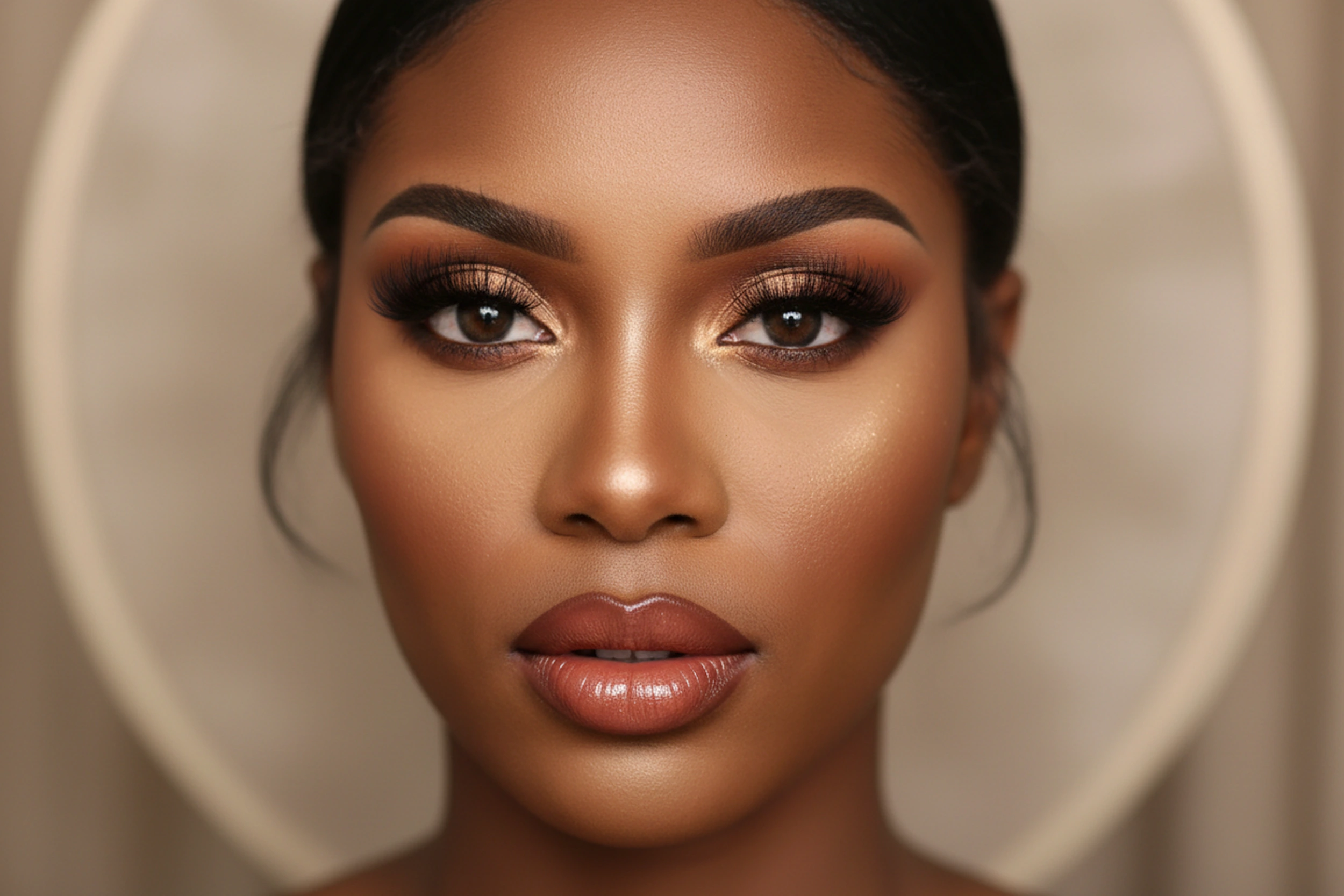
This matters more than most artists will volunteer upfront. Colour matching, undertone work and product selection for deeper skin tones requires specific training and a deeper kit — the right foundations, the right concealers, the right setting powders that don’t leave an ashy finish. A portfolio of exclusively light-to-medium skin tones is a data point.
Ask directly: how often do you work with [your skin tone]? What foundations do you typically use? Can I see recent photos? You’re not being demanding — you’re being practical. A good artist will welcome the specificity. It tells them you know what you want.
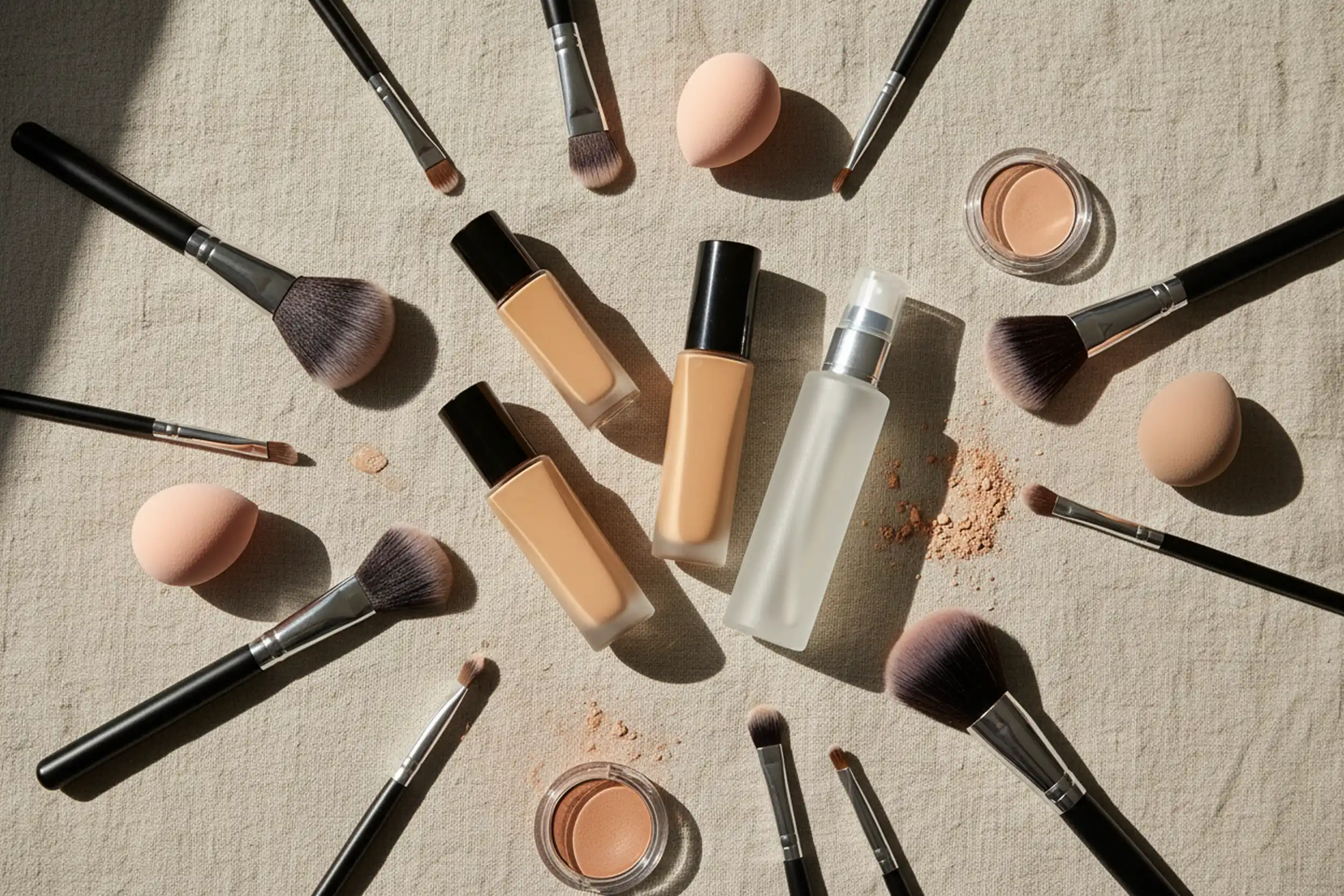
Not all professional products are created equal. There’s a real difference between a kit built around long-wear, climate-tested formulas and one that relies on whatever was on sale. For a Toronto summer wedding — humidity, heat, potentially outdoor ceremony — your makeup needs to perform. Ask what foundation they use. Ask about setting products. Ask specifically whether they’ve worked with the climate conditions you’re expecting.
At The Glam Mafia, every bridal application is smudge-proof, heat-proof and humidity-proof by design — not by luck. That’s a product and technique choice, not just a tagline. Your artist should be able to explain their approach the same way.
Get this in writing before you sign anything. Vague pricing is one of the most common sources of frustration in wedding vendor relationships. You think lashes are included; they weren’t. The travel fee wasn’t mentioned until the invoice. The early-start surcharge came as a surprise.
Ask for a full breakdown. Specifically:
At The Glam Mafia, our pricing page lists everything — including travel fees ($1.50/km from the closest available artist), early start surcharges and every add-on with a price attached. That’s how it should work everywhere. If an artist can’t give you a clear answer here, that’s the answer.
The morning of your wedding is a logistics operation. Multiple people, one mirror, one bathroom, hard deadlines. A makeup artist who’s never run a tight multi-person timeline will slow everything down. Ask how they structure a wedding morning. Ask what information they need in advance. Ask how they communicate with the rest of the getting-ready team.
A few specifics worth asking:
The answers will tell you whether you’re dealing with someone who has done this 200 times or 20.
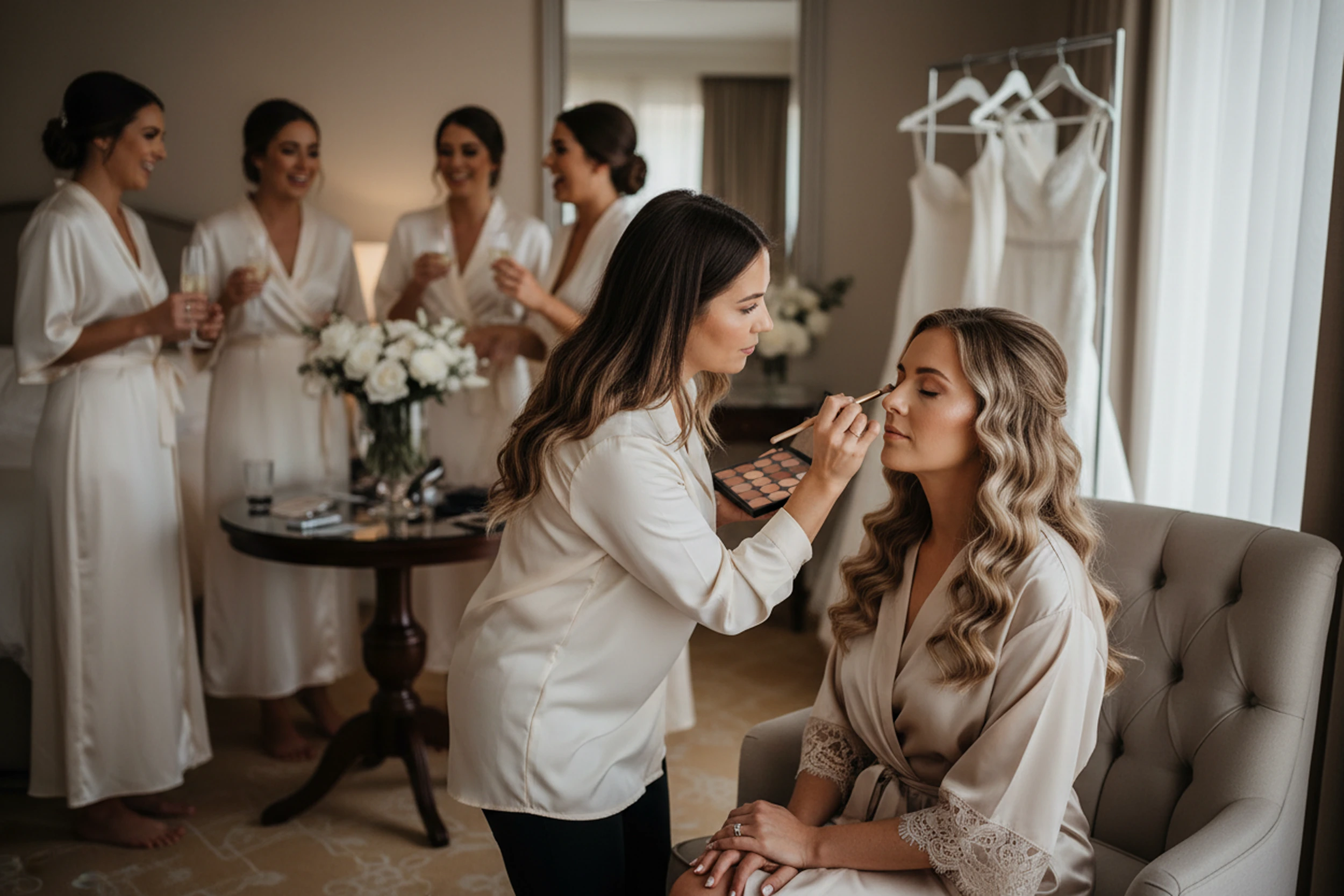
Not a dealbreaker if the answer is no — but it’s a useful question. Artists who know a venue know the lighting, the parking situation, the getting-ready room layout and the general flow of the morning. That local familiarity saves time. If they haven’t been to your venue, ask if they’re willing to do a site visit or if they’ll arrive early to get their bearings.
This also applies to venue type. A small intimate backyard wedding and a 300-person banquet hall in Brampton are different environments. An artist who’s only done one type may not be equally comfortable with both.
Any artist who actively discourages a trial is telling you something. A trial isn’t optional for a bridal booking — it’s where you check that the look actually works, that the products wear correctly on your skin and that you and your artist are genuinely aligned. It’s also where you discover things: a foundation that oxidizes, a hairstyle that doesn’t hold, a lash style that doesn’t suit your eye shape. Better before the wedding than on it.
At The Glam Mafia, a bridal makeup and hair trial is $400. It’s one of the most useful things you’ll spend money on in the whole planning process. The trial is also where we build the full brief — your looks, your timeline, your preferences — so the morning of your wedding is execution, not improvisation.
This is a quiet but important one. An artist who books four weddings on the same Saturday is either running a large, well-staffed team or they’re cutting it close. You want to understand exactly how much of their attention is on your day versus everyone else’s.
Ask directly: how many weddings do you have on my date? Who will be my assigned artist? Will you personally be there? If you’re booking through an agency, ask who specifically is assigned to you and whether there’s continuity from the trial to the wedding day. There should be.
This one flips the dynamic — and it tends to reveal a lot. A good artist will have a clear answer: a shot list, an outfit photo, a timeline, a skin care brief for the week before. An artist without a real process will say ‘just relax and trust me.’ Both things might work out. But one of them is more likely to.
At The Glam Mafia, we send a detailed brief after booking. You’ll know exactly what to prepare, what to bring to the trial and what the morning schedule looks like. The goal is that by the time your wedding morning arrives, there are no open questions — just execution.
Since we’re being honest — here are a few things that should give you pause during a consultation:
None of these are automatic dealbreakers. But they’re worth paying attention to. A professional operation doesn’t need to pressure you. It just needs to answer your questions well.
If you’re currently comparing artists for your wedding in Toronto or the GTA, we’re happy to answer every question on this list — and then some. Diana Grimm founded The Glam Mafia on the principle that brides deserve honest, structured, professional service from the first inquiry to the last look. No vague pricing, no crossed fingers, no day-of surprises.
We serve brides across Toronto, Brampton, Vaughan, Markham, Mississauga and the wider GTA. Mobile, on-location, on time.