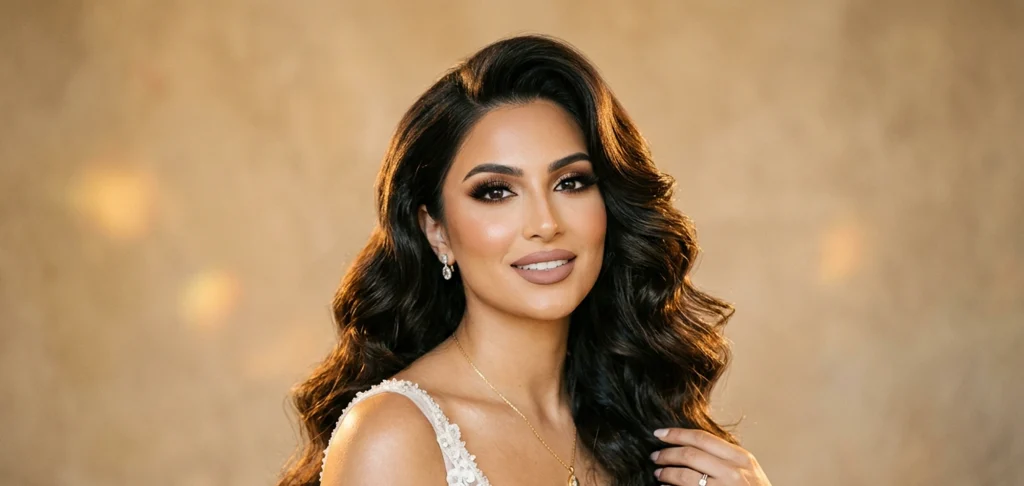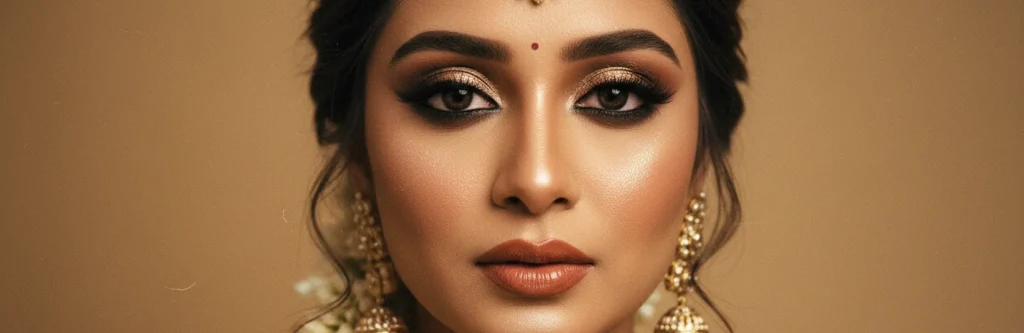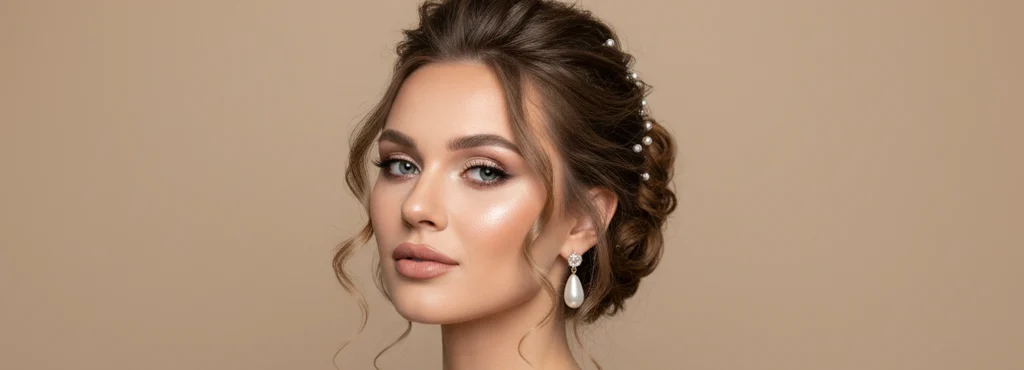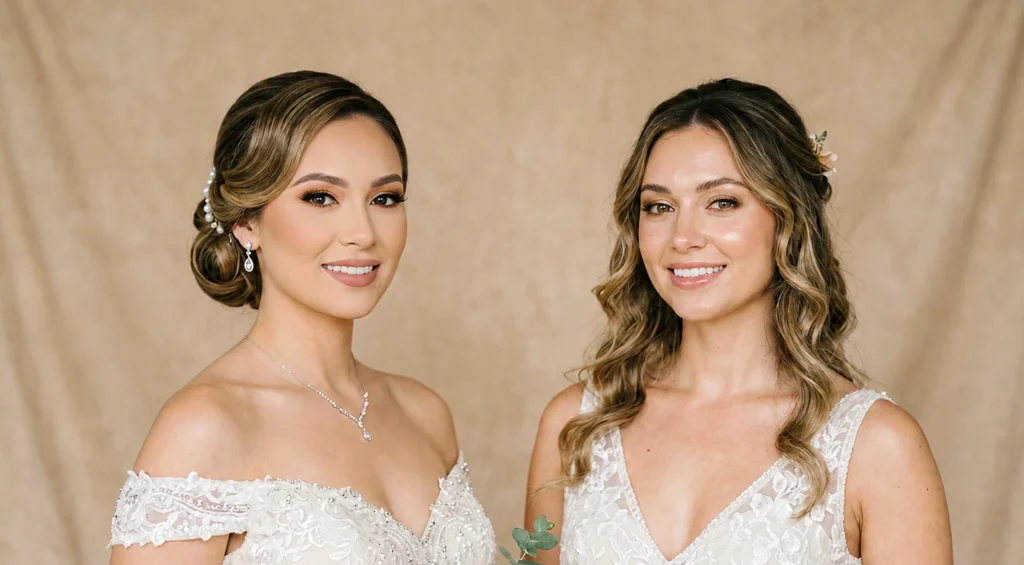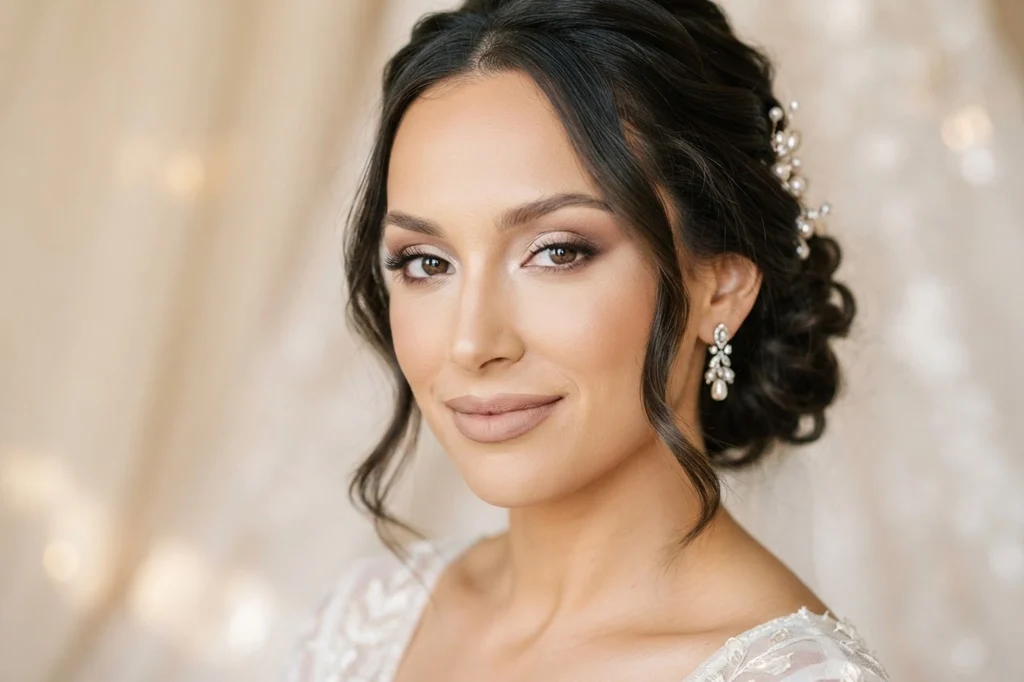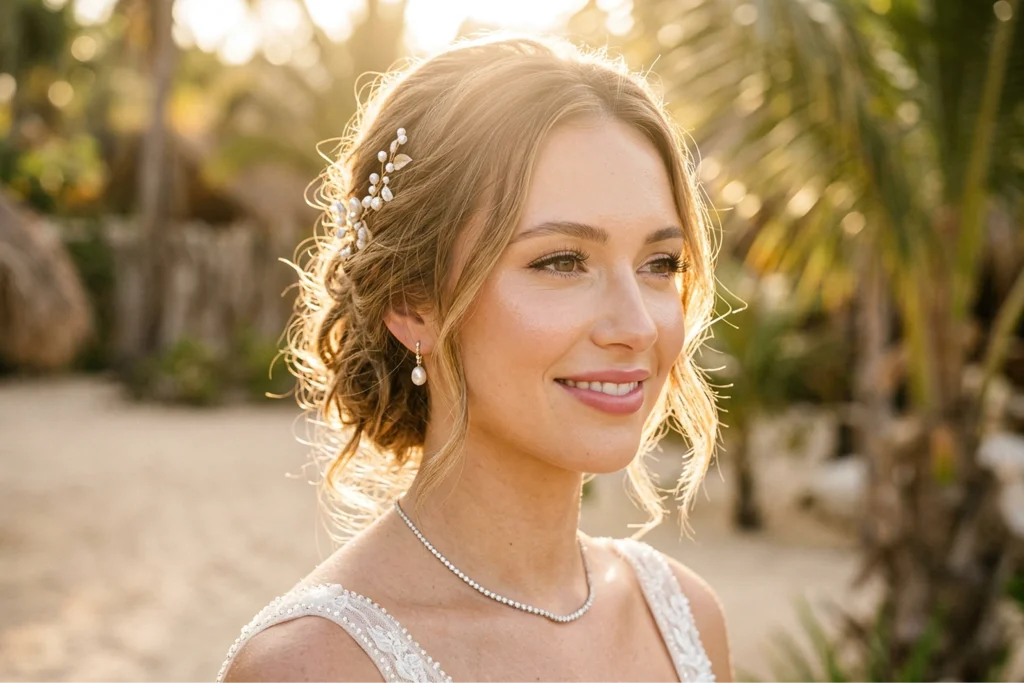
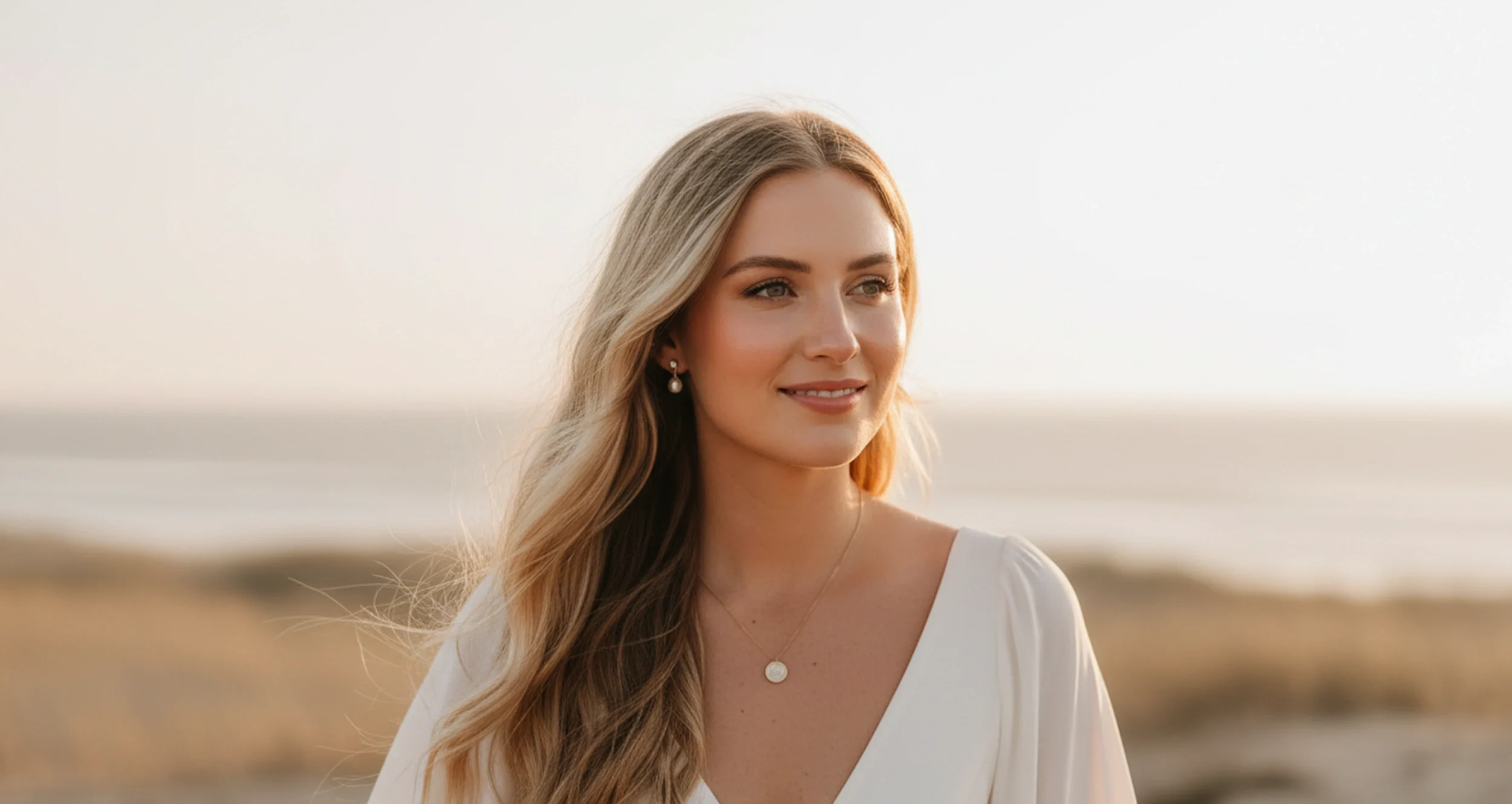
Every year the requests shift. New references start showing up in inquiry forms, brides arrive to trials with different Pinterest boards and certain looks that were everywhere two seasons ago quietly disappear from the conversation. We pay attention to this — not because trends should dictate your wedding day look, but because knowing what’s current helps you make an informed choice about where you sit on the spectrum. Here’s what GTA brides are actually asking for in 2026, what’s falling away and how to think about finding the right look for your day.
The bigger shift in 2026 isn’t about a single style — it’s about intention. Brides are moving away from the idea of a ‘wedding hair look’ as a category and toward something more personal: hair that feels like them, elevated. The highly structured, heavily pinned updos that dominated a few years ago are giving way to styles with more movement, more texture and more individuality. At the same time, there’s a parallel trend toward real precision — sleek, architectural looks that are the opposite of effortless but just as deliberate. Both directions are strong right now, which means the brief has never been more personal.
In the GTA specifically, the South Asian bridal community continues to drive some of the most interesting hair directions we see — richer textures, more elaborate braiding, traditional elements reimagined in modern silhouettes. Pinterest and Instagram cycles have also accelerated: what felt fresh 18 months ago can already feel dated, which makes the timeless-versus-on-trend conversation more relevant than ever. And for brides planning four or five events, the push for differentiation across looks is producing real creativity. A few forces shaping what we’re seeing this year:
This year’s bridal hair landscape is more varied than it’s been in several seasons. There’s no single dominant look the way there was a few years ago — instead, there are strong directions that pull in different aesthetic directions, and brides are landing all over the map depending on their personal style, their outfit and their event type. What they share is a commitment to intention: nothing is accidental, nothing is generic. Whether the look is loose and romantic or sleek and architectural, it’s deliberate. Below are the six styles coming up most consistently in our trials and inquiry conversations this year.
The low bun isn’t new — but the 2026 version is. Tighter, more polished iterations have given way to something with more texture: deliberately undone pieces, visible braiding within the bun, loose face-framing strands. The effect reads romantic rather than severe, and it holds up exceptionally well across long days and high-humidity GTA summers. It also works across hair types and lengths with the right technique, which makes it one of our most-booked looks this year.
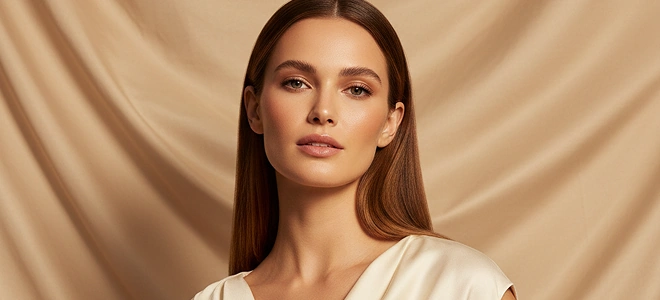
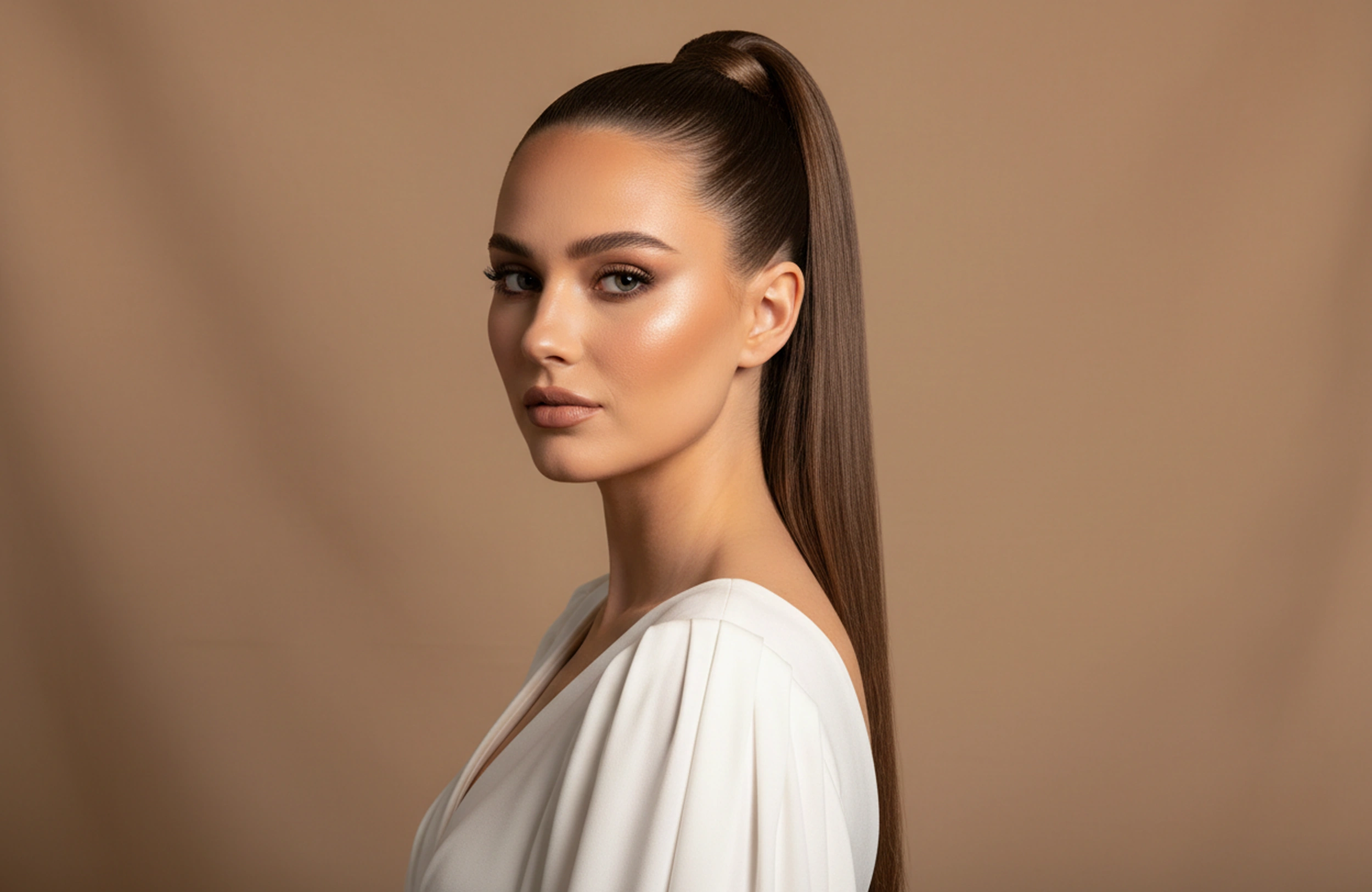
The sleek, high ponytail has made a serious move into bridal territory in 2026. It’s architectural, it’s bold and it’s completely on-brand for a bride who wants to look powerful rather than traditionally romantic. Done properly — fully smoothed, no flyaways, with a clean part and the right tension — it’s one of the most striking looks in a bridal portfolio right now. It also photographs exceptionally well from every angle, which matters when there’s a camera following you for eight hours.
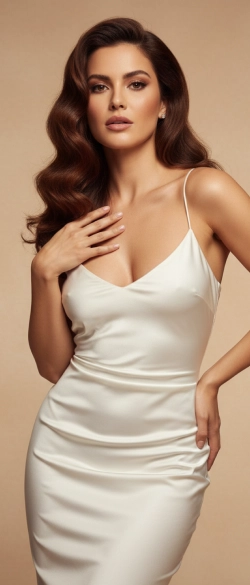
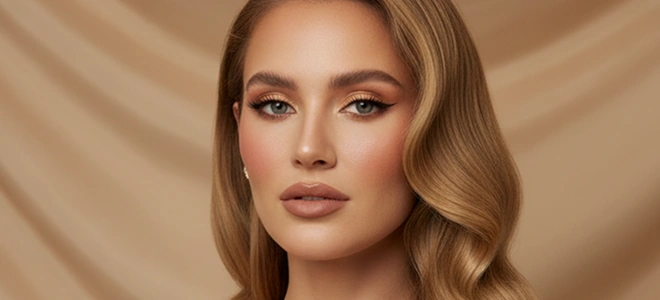
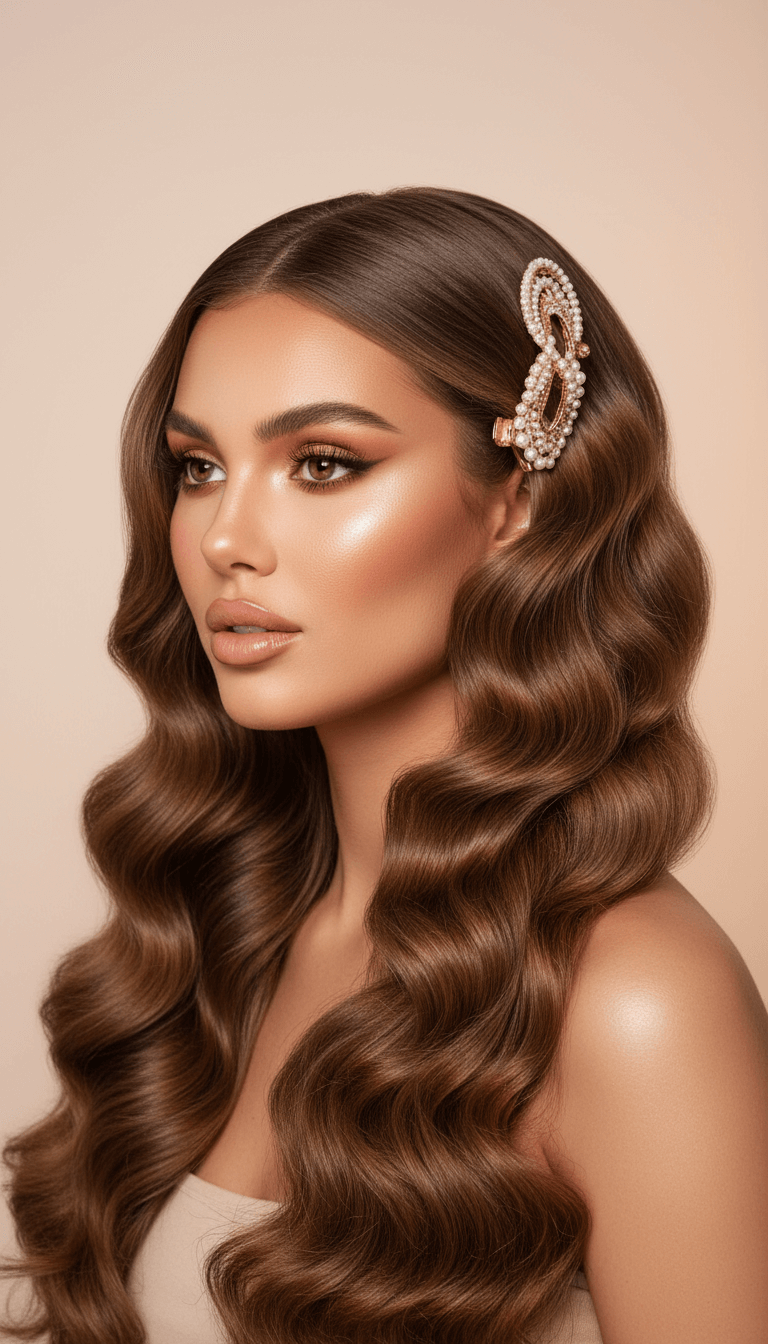
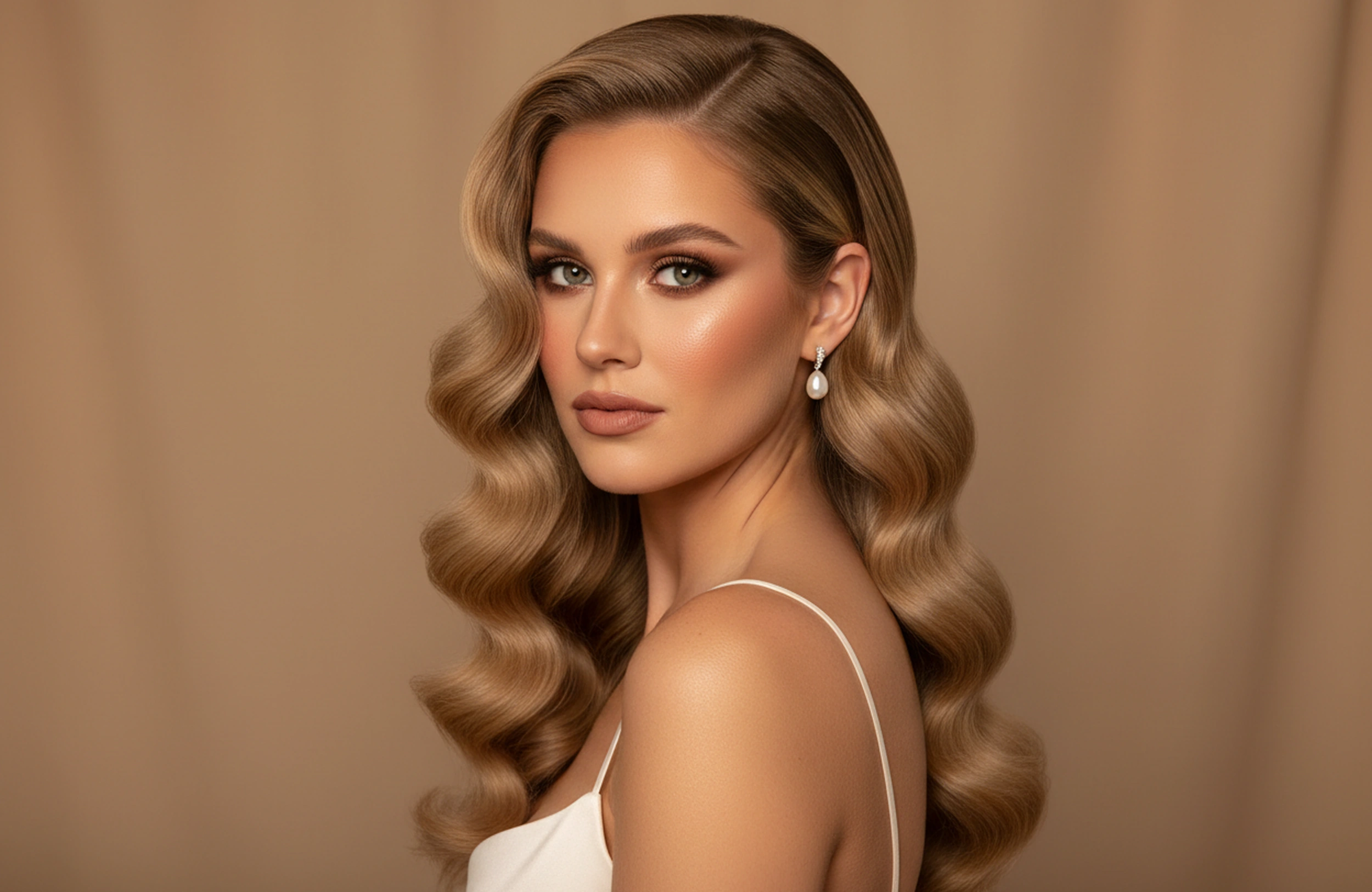
Hollywood waves have staying power because they’re genuinely flattering across face shapes and hair types and they photograph with the kind of depth and movement that flat styles don’t have. The 2026 version is slightly more relaxed than the rigid finger-wave iterations that were popular a few years back — more flowing, less set. For South Asian brides, Hollywood waves at the reception are a frequent request after a more elaborate updo at the ceremony. The contrast works beautifully.
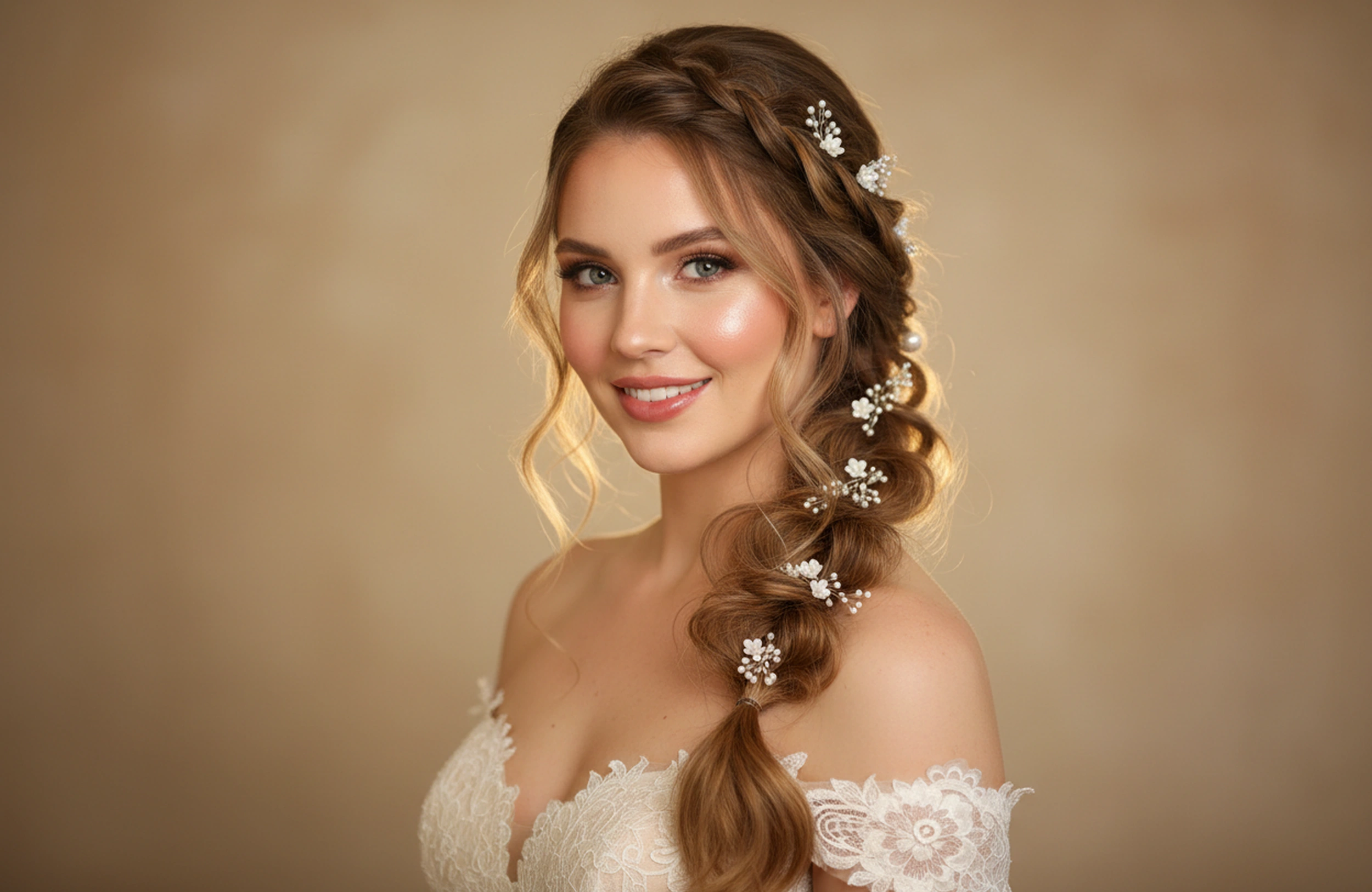
Braids have always had a place in South Asian bridal hair — but in 2026 they’ve moved into mainstream bridal across the GTA. Not full braided styles necessarily, but braided elements woven into updos, half-up looks and ponytails. A Dutch braid crown, a fishtail detail within a low bun, a braided wrap around a chignon — these details add texture and handcraft that elevate a look without dramatically changing its overall silhouette.
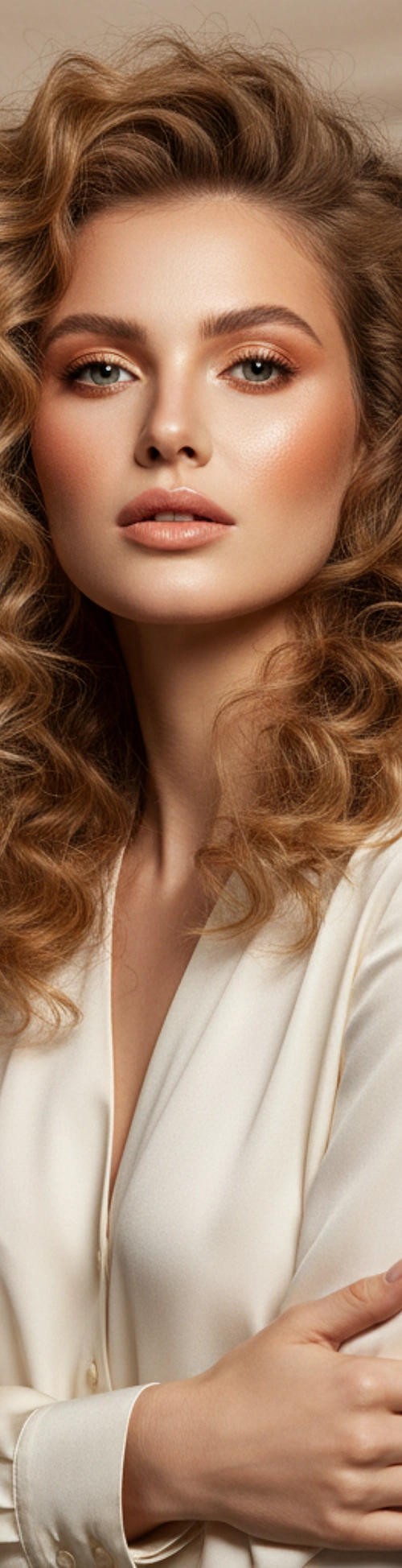
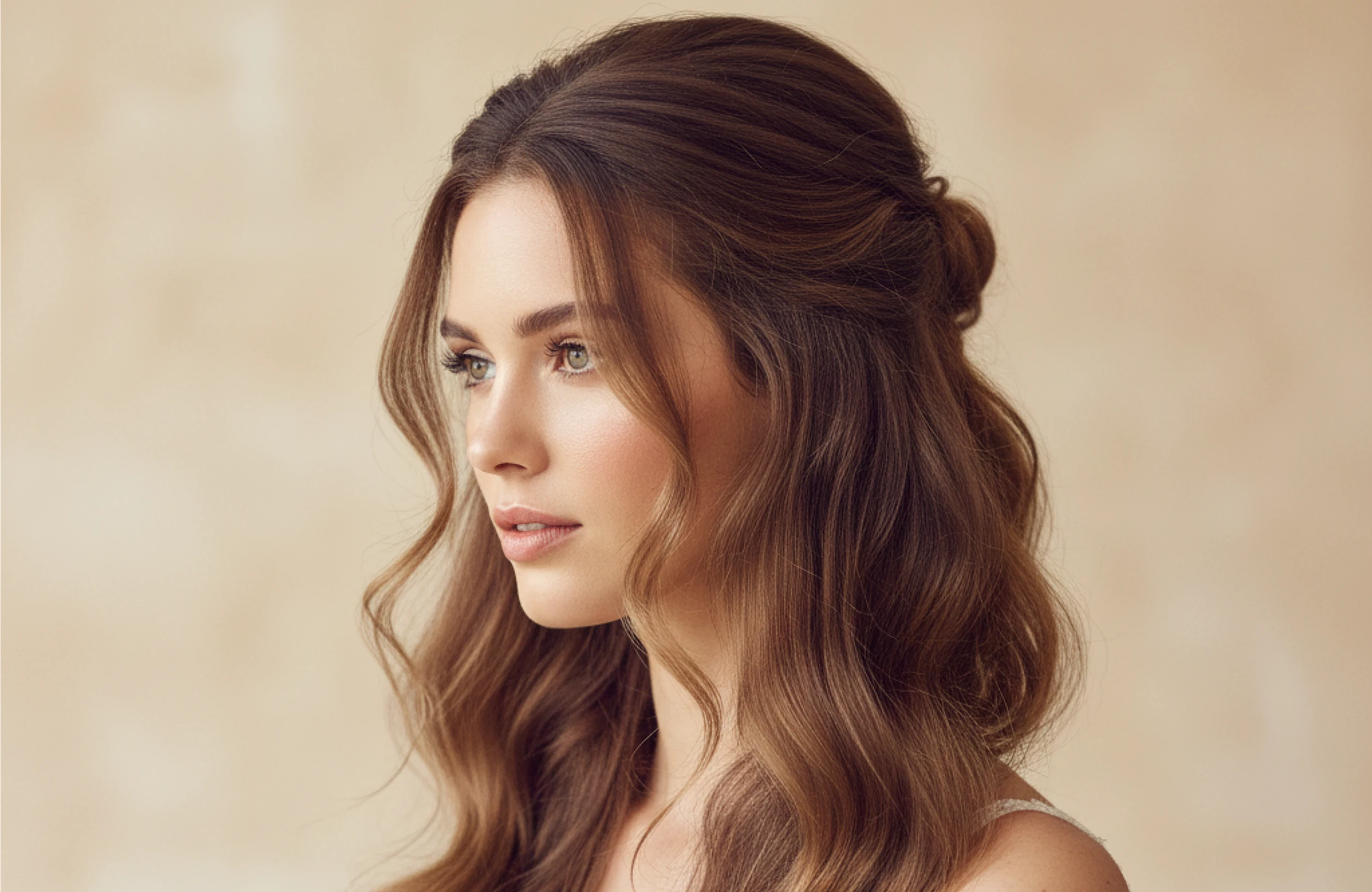
This is the look that keeps showing up in inquiry photos and trial requests: a half-up style that looks like it took 20 minutes but actually took an hour and a half. Loose, textured, face-framing — with enough structure to hold through a full day. The challenge with this look is that ‘effortless’ is one of the hardest things to execute well. Getting the balance right between polished and undone requires skill and the right products. When it works, it’s one of the most wearable and photogenic looks in the 2026 bridal canon.
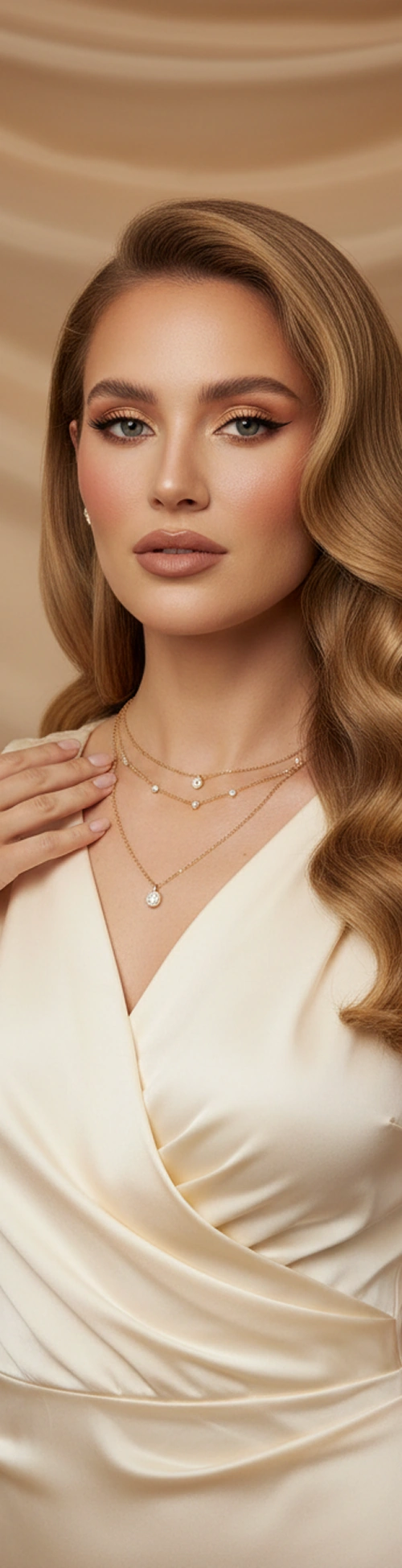
Not a style on its own, but a significant trend worth naming: decorative elements added to hair are having a moment. Crystal pins, pearl clusters, gold chains woven through braids, pressed floral details. These work across every base style — updo, half-up, waves — and they’re one of the fastest ways to modernise a classic look. For South Asian brides, maatha patti and passa remain foundational, but we’re seeing more requests for lighter, more delicate Western-style accessories alongside traditional pieces.
Knowing what’s going out of style matters — not so you can avoid anything you love, but so you can make that choice consciously. A look that was everywhere three years ago reads differently in photos now than it did then. If you’re planning a wedding for 2026 or 2027, it’s worth knowing which directions have peaked and which have more runway. None of this is absolute: if a look genuinely suits you, wear it. But go in with your eyes open about where it sits in the current landscape.
Here’s what we’re seeing less of in our current inquiry and trial conversations:
The GTA’s South Asian bridal market is large enough and distinct enough to have its own hair trend cycle — and it doesn’t always map onto what’s happening in general bridal editorial. The influences are different: Bollywood, South Asian wedding content creators, community-specific aesthetic traditions and the practical demands of multi-event weddings all shape what brides are asking for. We work in this space regularly across Brampton, Markham, Vaughan and Mississauga, and the requests in 2026 have some clear patterns. These are the directions coming up most consistently in our South Asian bridal conversations this year:
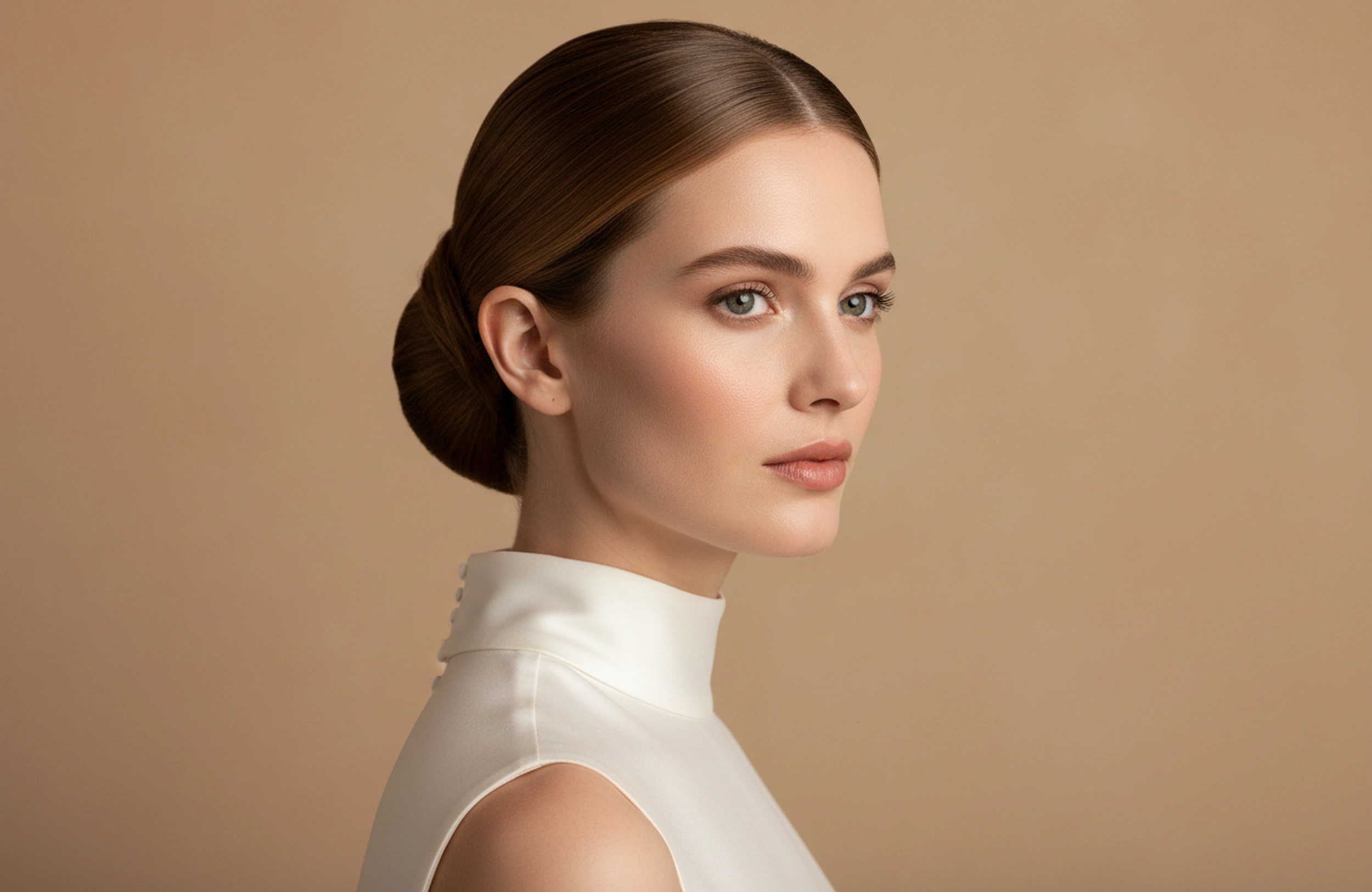
The most useful thing we tell brides in trials: start with your outfit, not your hair. Your lehenga or dress has a silhouette, a neckline, a weight and a cultural register — and your hair should respond to those things, not ignore them. A heavily embellished neckline and a full elaborate updo compete with each other. A sleek open-back gown and a structured bun work together. A voluminous lehenga with intricate embroidery often calls for hair that’s slightly more contained so the outfit can breathe. Once you’ve oriented around the outfit, the look tends to narrow itself down considerably.
Beyond the outfit, a few practical filters are worth running any look through before committing. Face shape matters — not every trend flatters every face, and your artist will guide this at the trial. Hair type matters — some looks require specific texture or density, and extensions can bridge the gap where needed. Your timeline and venue matter — an outdoor summer wedding in July in the GTA is not the day for a look that requires humidity-sensitive products.
And your own comfort matters more than anything else. If you’ve never worn your hair up in your adult life, your wedding morning is not the moment to test it. Trends are useful as a starting point. The hair and makeup trial is where you figure out what actually works for you specifically.
The Glam Mafia works with brides across Toronto, Brampton, Vaughan, Markham, Mississauga and the wider GTA. We’re mobile and on-location — we come to you, wherever you’re getting ready, with a full team and a complete kit. Every bridal booking starts with a trial, which is where the real work happens: testing looks on your actual face, building the brief and making sure that by the time your wedding morning arrives, there are no open questions. If you’re planning a 2026 or 2027 wedding, start the conversation now — peak season dates go early and we don’t overbook.