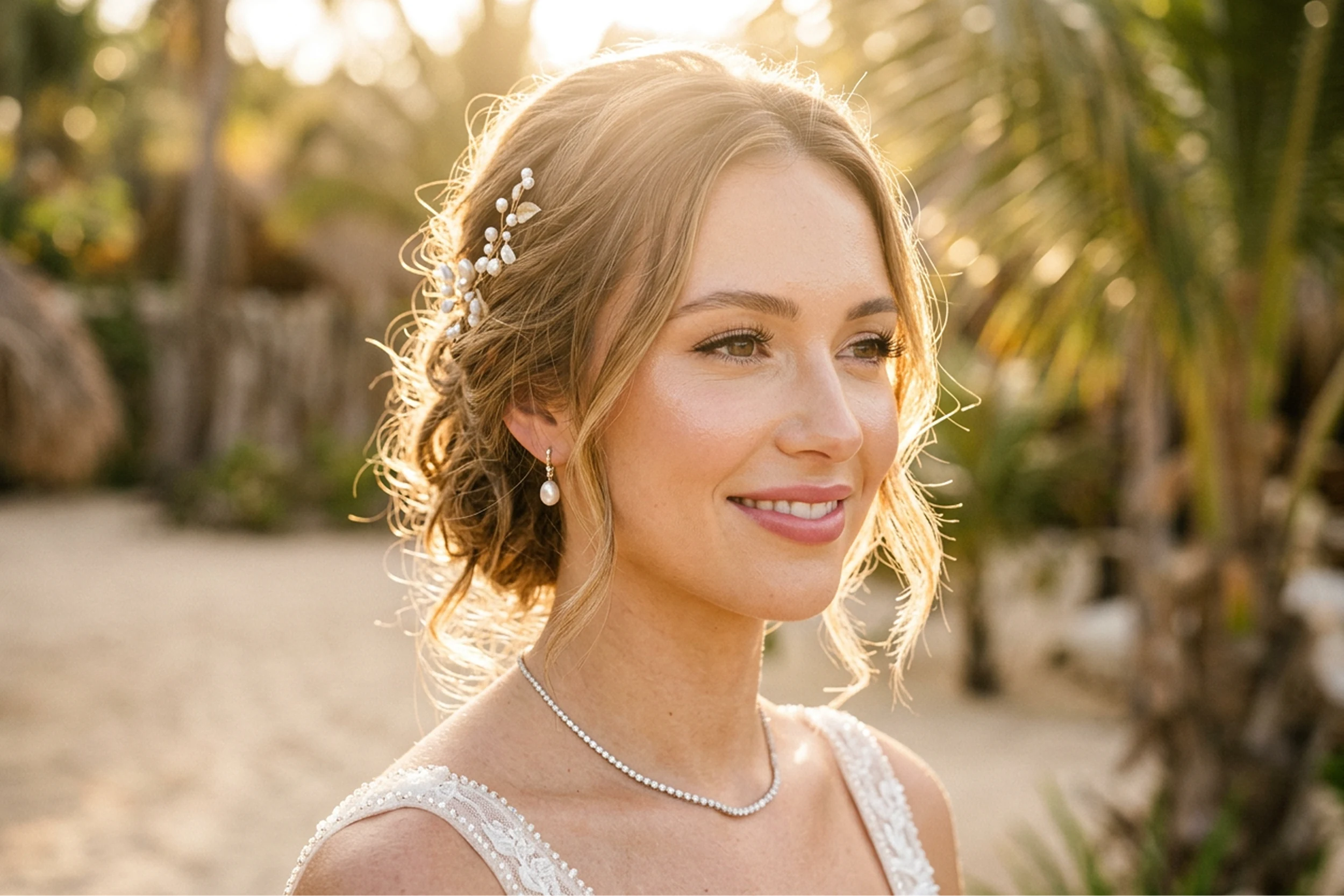
A destination wedding is a completely different planning exercise than a local one — and the hair and makeup piece is where that difference shows up most clearly. You can’t do a trial two weeks before and pop back if something needs adjusting. You can’t call your artist the morning of if there’s a miscommunication about timing. You can’t replace a product that didn’t make it through customs at 7 AM when your ceremony starts at 11.
Everything that happens locally on a wedding morning has a version at a destination that requires more planning, more lead time and more explicit communication. This guide covers what we’ve learned working destination weddings and what you need to think through — whether you’re flying your team with you or working with local artists on location.
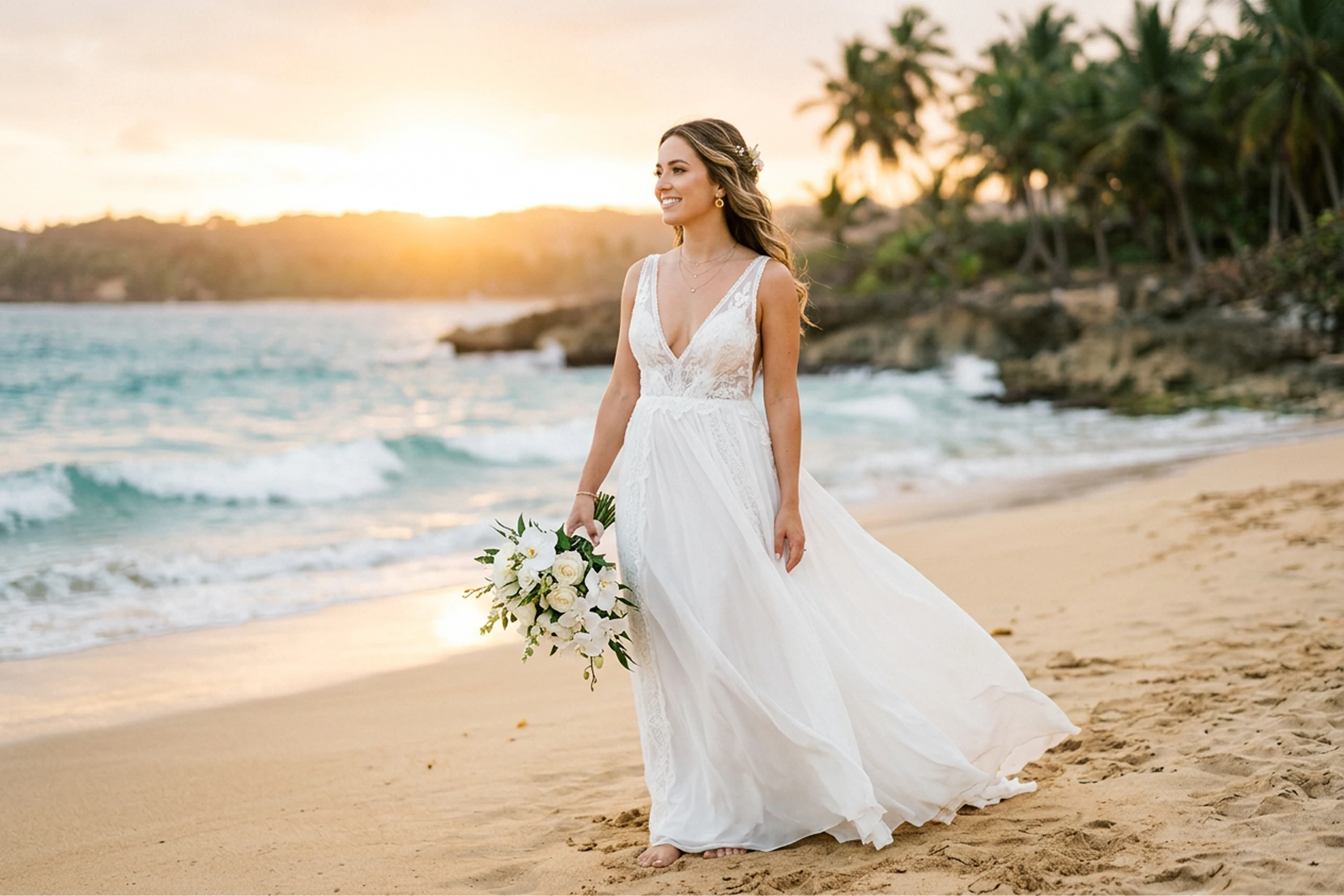
This is the first decision and it shapes everything else. Bringing your own team — artists you’ve already worked with, who know your face, your looks and your preferences — removes a significant variable from a day that already has more variables than a local wedding. You’ve done the bridal trial. They have the brief. The morning runs on a relationship that’s already been established. The tradeoff is cost: travel, accommodation, meals and a travel day fee typically get added to the artist’s rate, and for a destination that’s far or international, that can be substantial.
Hiring locally is more cost-efficient on paper, but it introduces real unknowns. You’re working with someone you’ve never met in person, whose portfolio you’ve reviewed online, in a consultation that happened over video. The trial, if it happens at all, may be the day before the wedding — which leaves almost no room to adjust.
Language barriers, different product availability and unfamiliarity with your specific look preferences are all genuine risks. Neither option is wrong. The right call depends on your budget, your destination and how much risk you’re comfortable carrying into a day with no do-overs.
Questions to ask yourself before deciding:
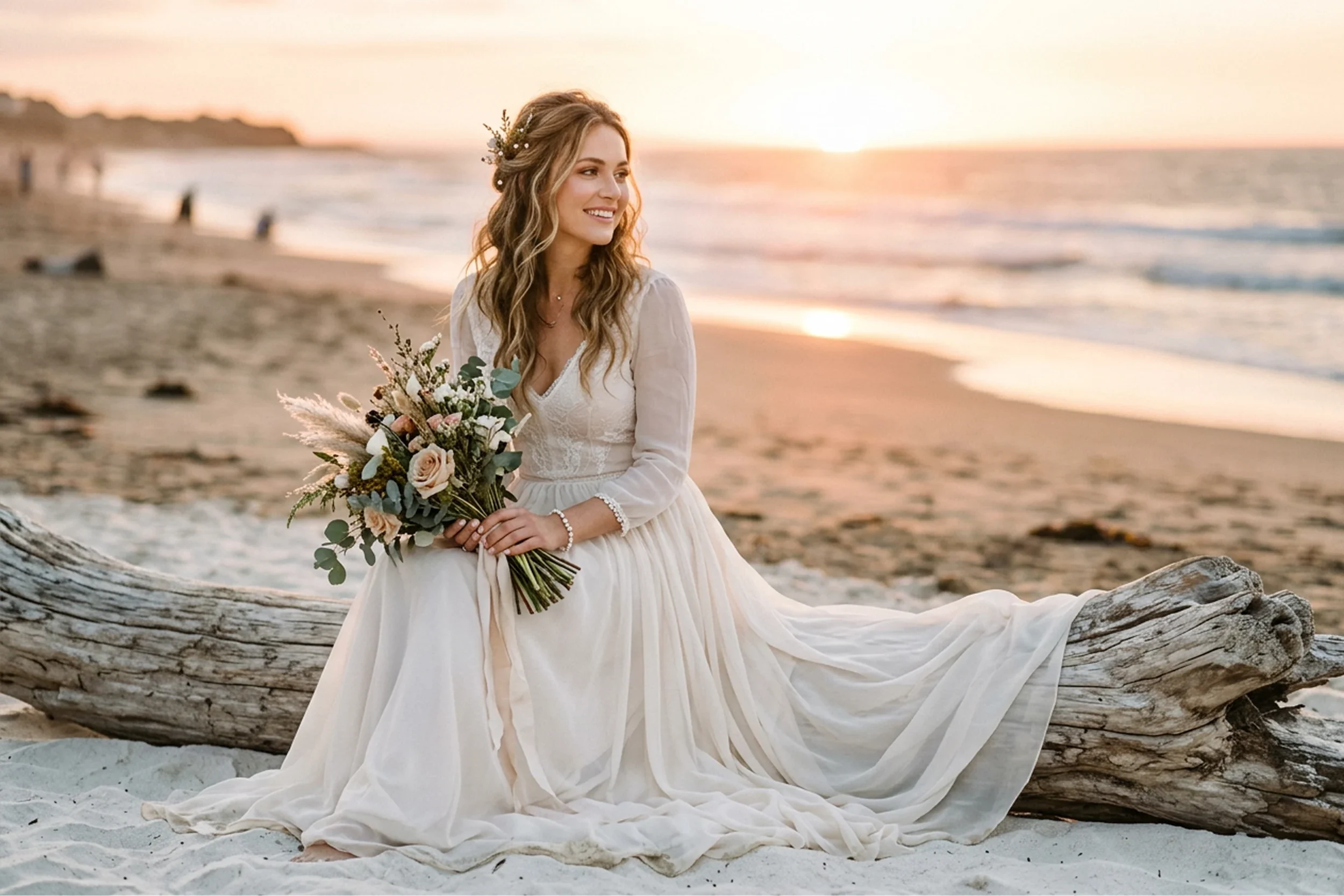
Destination wedding makeup planning needs to start earlier than most brides expect — and significantly earlier than the local equivalent. The timeline compresses differently when travel is involved. Artist availability, flight booking windows, accommodation lead times and trial scheduling all need to happen further in advance.
If you’re bringing your team with you, they need to block their calendar and book travel as soon as your date is confirmed. If you’re hiring locally, the vetting and consultation process takes longer than it does for a local booking because you can’t meet in person until you’re there.
The trial is the piece that requires the most advance planning for destination brides. If your artist is travelling with you, the trial can happen before you leave — ideally six to eight weeks before the wedding, using the same process as any local bridal trial. If you’re using a local artist, a video consultation is a necessary step but it’s not a replacement for an in-person session.
Some brides in this situation schedule their trial during a pre-trip to the destination — a planning visit a few months out — which is the most practical solution when it’s feasible. Others accept the risk and plan the trial for the day before. If you go that route, make sure your wedding day schedule has a buffer in case the look needs adjusting.
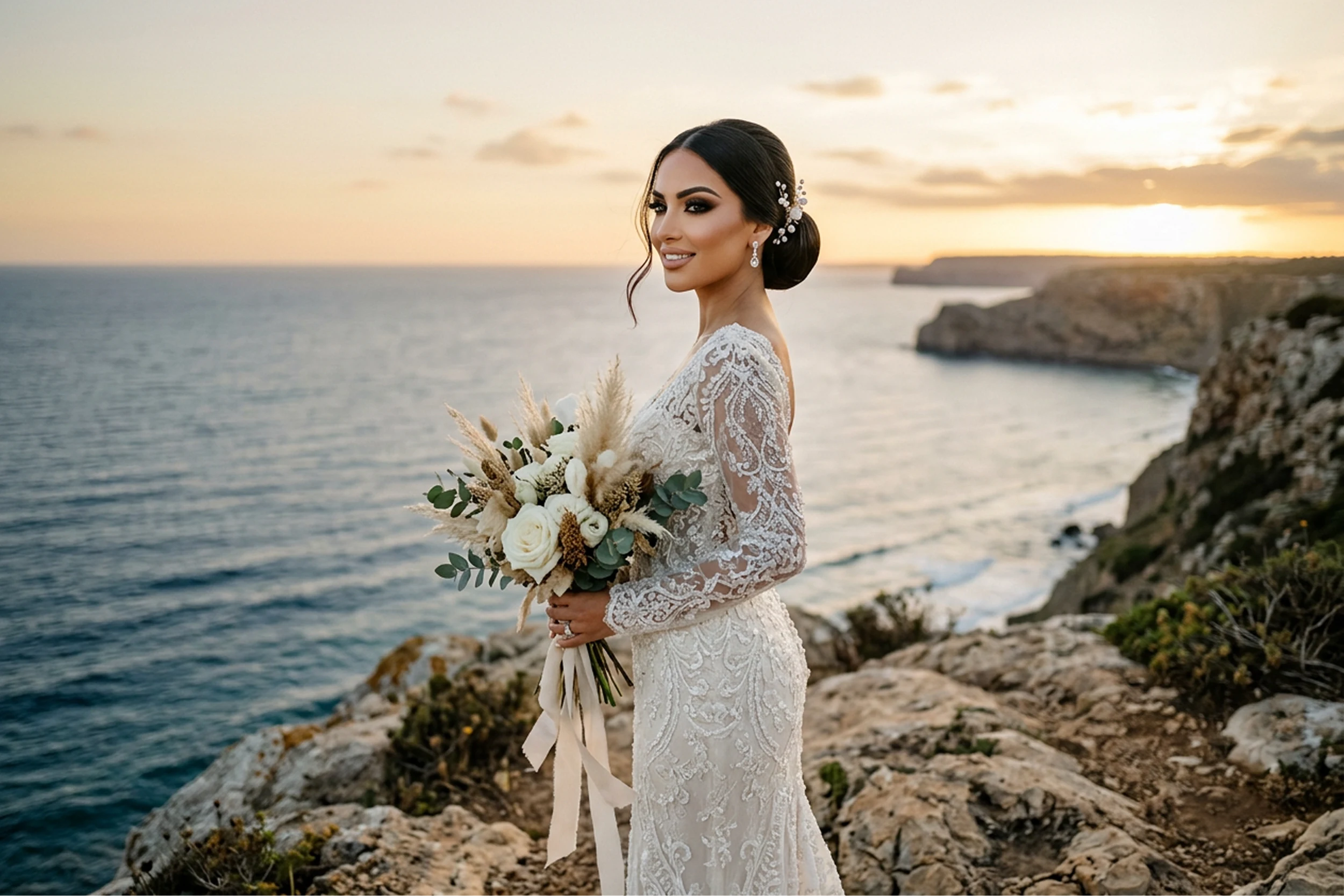
Packing a bridal kit for a destination wedding is a completely different exercise than packing for a local job. You can’t run to the store if something runs out or breaks. You can’t pull from a backup kit sitting in the car. Everything that might be needed needs to be in the bags that travel with you — and those bags need to survive a flight, potentially a connection, and the climate conditions at the destination. Overpacking is always better than underpacking for a destination bridal kit. The question is what to prioritise and what can be sourced locally if needed.
Climate is the most important variable in product selection for destination makeup. A tropical beach wedding in Mexico and a mountain wedding in the Swiss Alps require fundamentally different approaches to foundation, setting and longevity. Humidity makes some products slide; dry heat makes others crack. High UV environments affect colour payoff. Research the specific climate conditions of your destination and build the product selection around what you’ll actually be working in — not what you’d use at a Toronto venue in October.
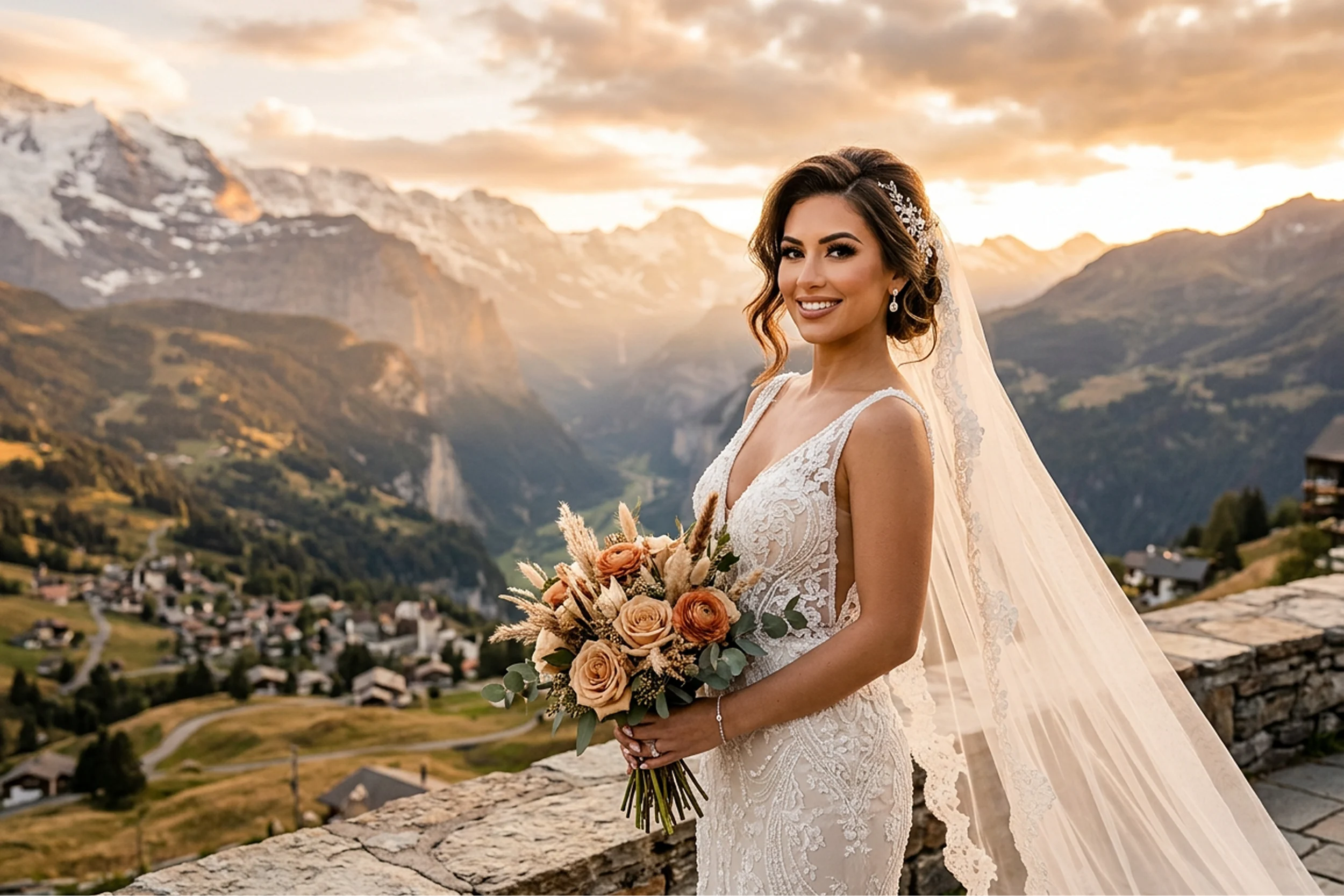
The trial is non-negotiable for a destination wedding — more so than for a local one, not less. The stakes are higher, the margin for correction on the day is smaller and the environment your look will perform in is different from anything you can test at home.
If your artist is travelling with you, the trial should happen before the trip, following the same process as a standard bridal trial: six to eight weeks before the wedding, with your outfit references, your jewellery if possible and enough time afterward to wear the look for several hours and assess. Document everything — photographs from multiple angles in different lighting conditions — so both you and your artist have the full brief on hand when you’re at the destination.
If you’re using a local destination artist, push for a trial the day before the wedding rather than the morning of. Yes, it’s an added cost and an added time commitment during what’s already a busy pre-wedding stretch — but it gives you at least one opportunity to identify any issues before the day itself.
At minimum, have a detailed video consultation where you show the artist your outfit, your jewellery, your reference images and your specific concerns. Send photos after, confirm the plan in writing and get explicit confirmation that the products they’re planning to use are ones they’ve successfully used in that climate. Don’t assume — ask directly.
The morning of a destination wedding has fewer safety nets than a local one. The familiar infrastructure — backup artists, extra product from the car, the ability to make a quick call to resolve a miscommunication — doesn’t exist in the same way. Everything that can be confirmed in advance should be confirmed in advance, in writing, well before you land.
Logistics that seem obvious at home have a way of becoming unclear when everyone is across an ocean and operating in a different timezone. The more explicit the communication, the fewer surprises on the morning.
A few things that are worth over-communicating before departure:
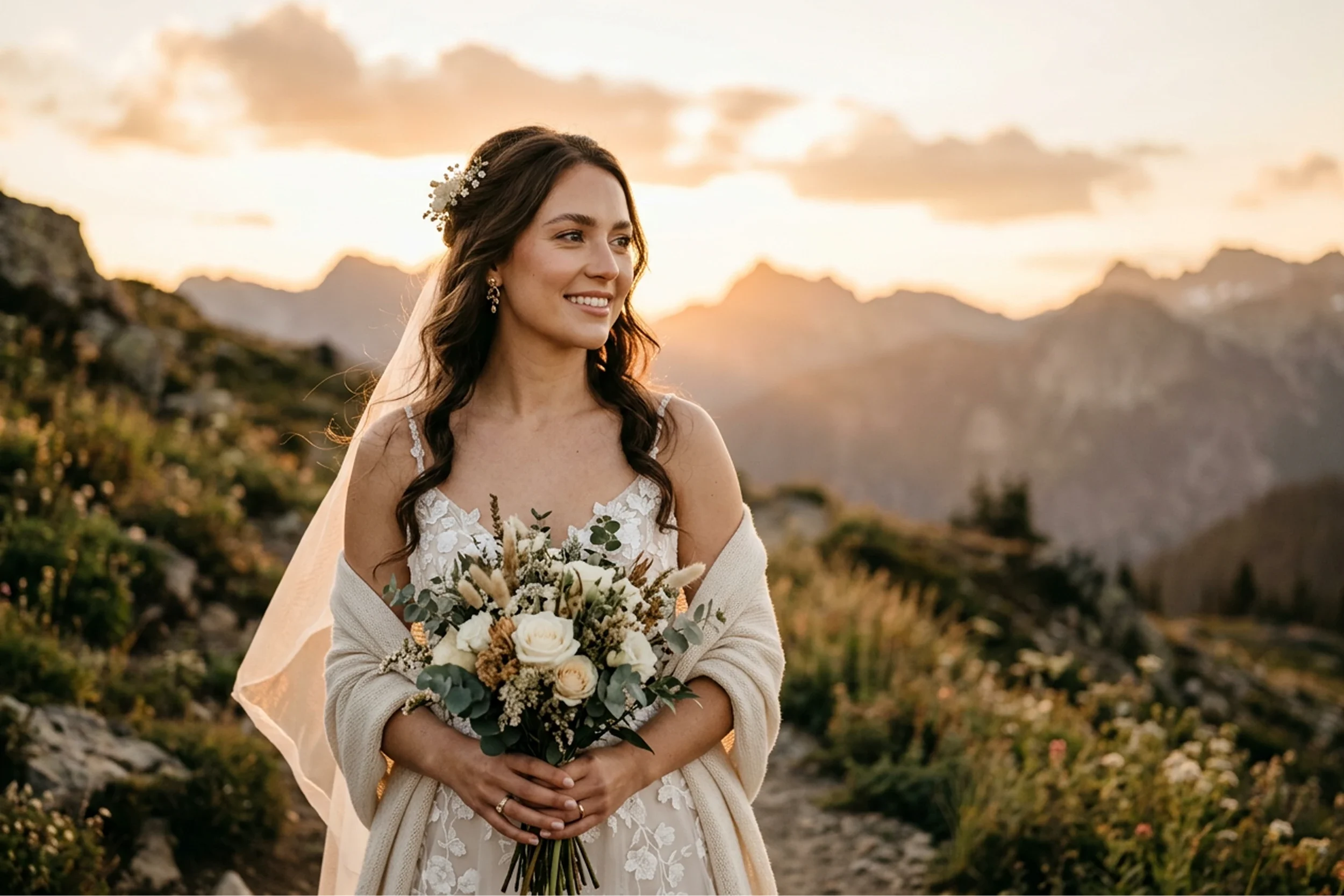
A look built for Toronto in October will not automatically perform in Tulum in July. The climate is different, the humidity is different, the UV exposure is different and the physical activity involved in a destination wedding — travel between ceremony sites, outdoor dancing, beach photos — is typically more intense than a standard local reception. Building long-wear into the look from the ground up is not optional for a destination wedding; it’s the entire brief. Every product choice, from primer to setting spray, needs to be made with the specific conditions of the destination in mind.
Setting and longevity are where most destination bridal looks succeed or fail. A beautiful application that slides off in the first two hours because the setting products weren’t right for the climate reads as a product and planning failure — not a reflection of the artist’s skill.
The prep work before the application matters as much as the application itself: the right skincare the morning of, the right primer for the humidity level, the right setting sequence for the finish you want. And the touch-up kit the bride carries through the day needs to be specific to the conditions — blotting papers work differently in high humidity, sprays perform differently in dry heat.
The Glam Mafia offers destination wedding hair and makeup services for brides travelling beyond the GTA — whether that’s within Ontario, elsewhere in Canada or internationally.
We travel with a full professional kit built for the destination’s specific climate conditions, and we handle the logistics the same way we handle a local booking: a confirmed brief, a clear schedule and execution that doesn’t leave room for surprises.
Travel fees apply and vary by destination — reach out with your date and location and we’ll give you a clear, honest quote. If you’re still in the planning stage and deciding between bringing a team or going local, we’re happy to talk through the decision with no obligation.