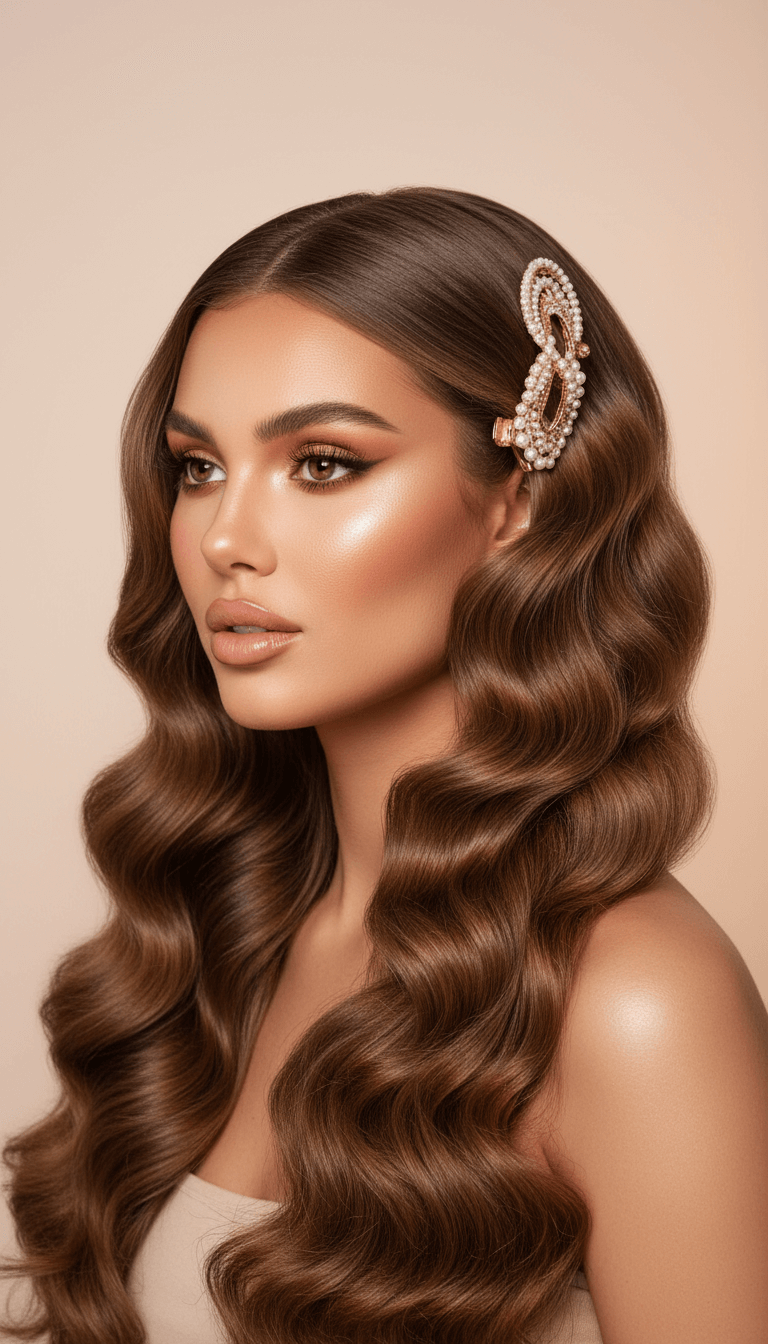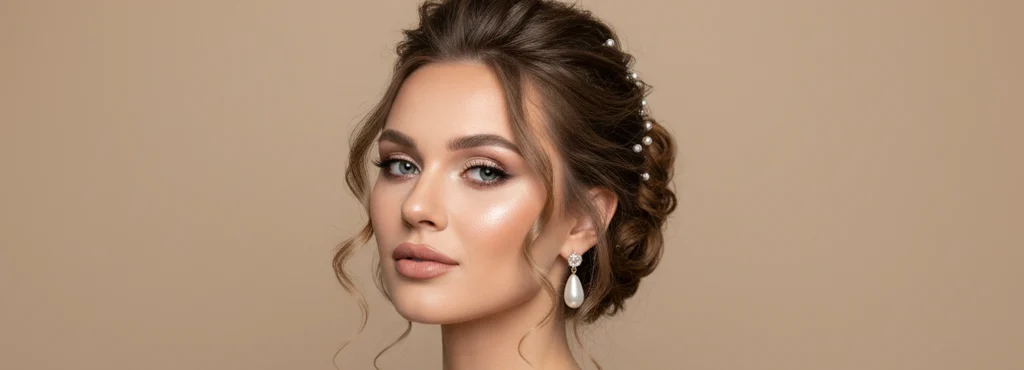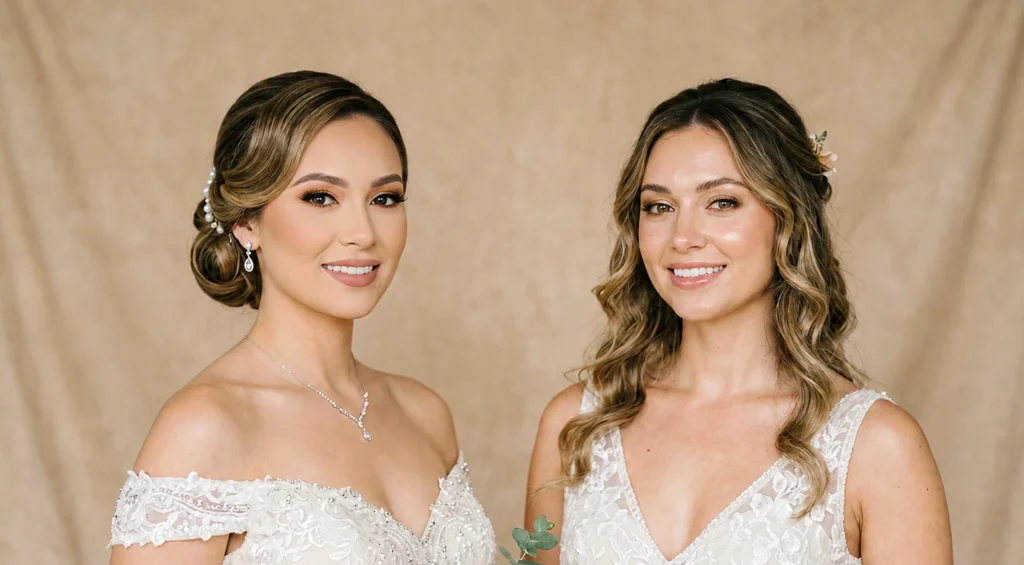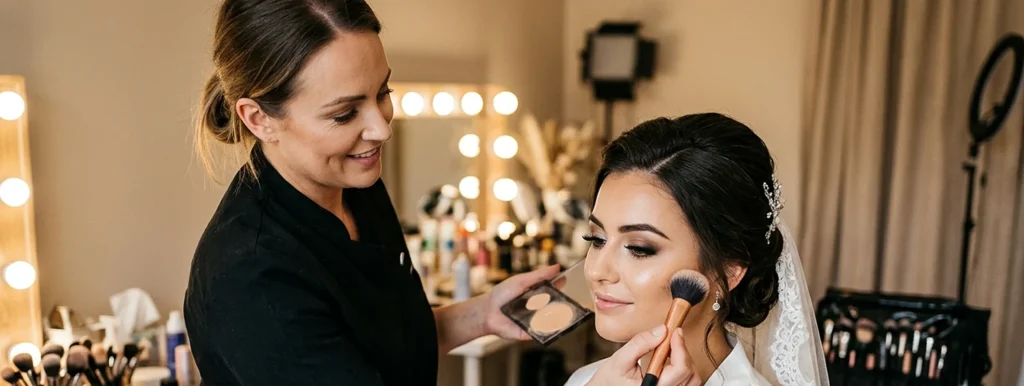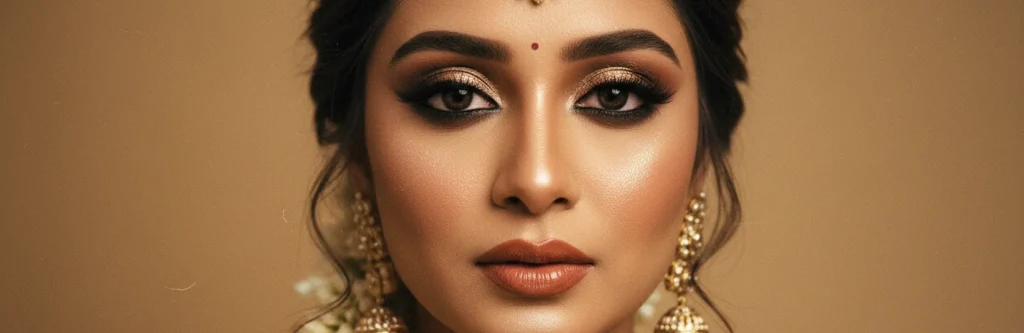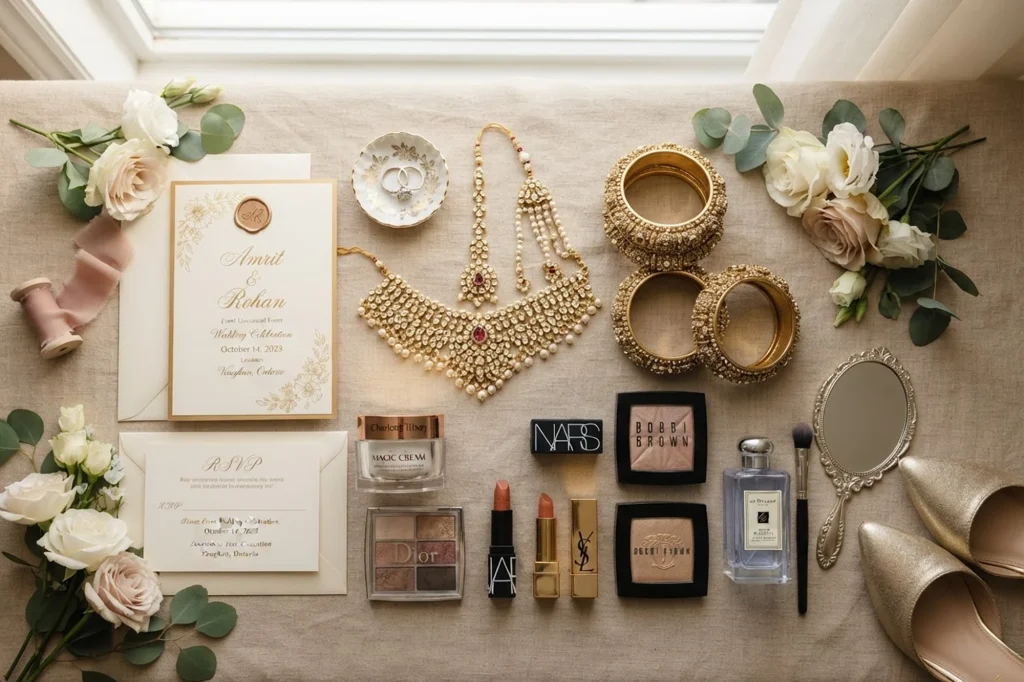
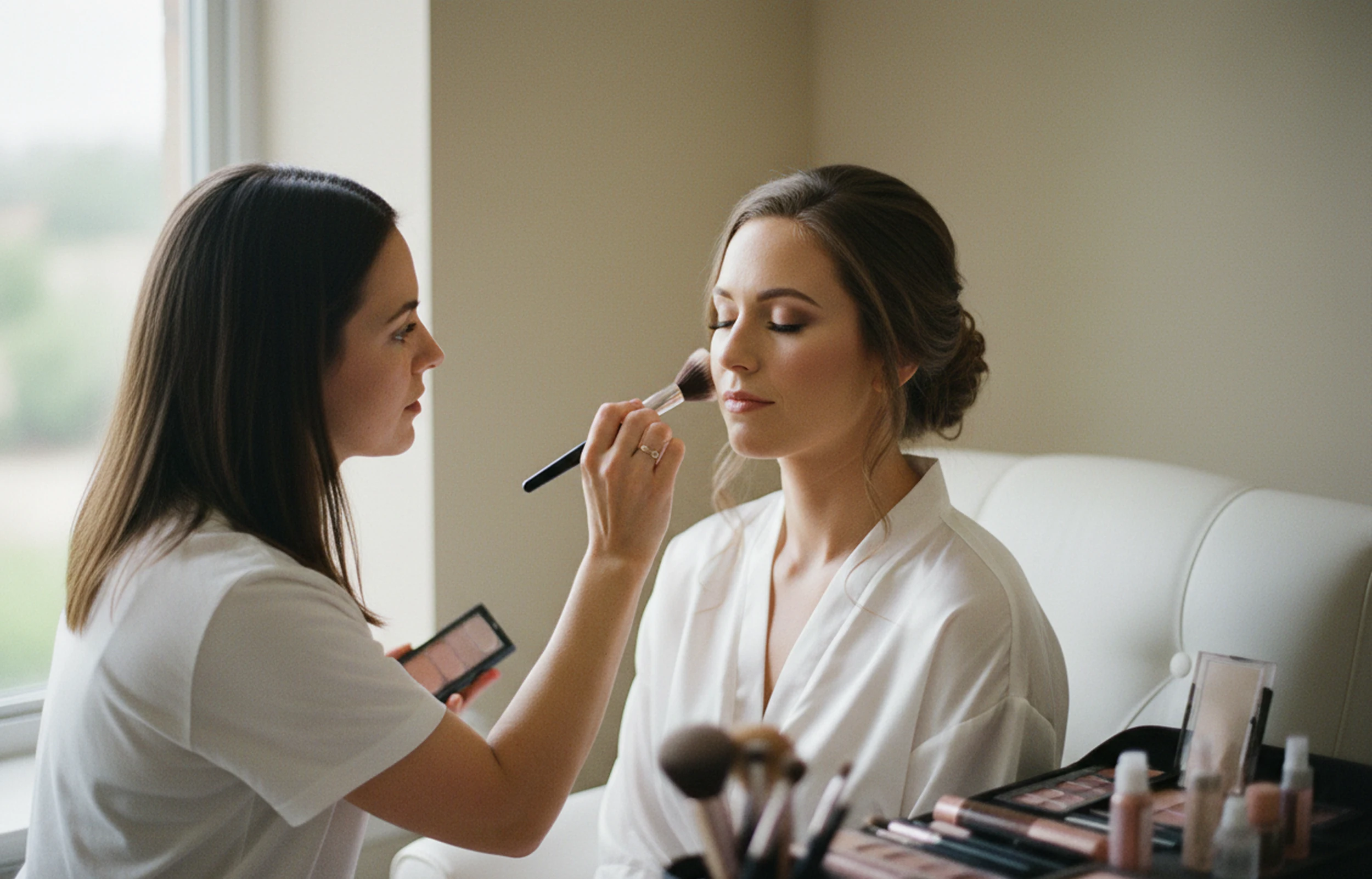
A bridal makeup trial is one of those things that sounds optional until you’ve been to one. Then it’s obvious. It’s not a preview of your wedding look — it’s a working session where you and your artist figure out exactly what the day needs, test it against your actual skin and adjust before anything is locked in.
We book trials for every bride we work with. Not because it’s a revenue line — because a wedding morning with no open questions runs completely differently to one where you’re still deciding things at 7 AM.
Here’s everything you need to know about how a trial works, what to bring and how to get the most out of it.
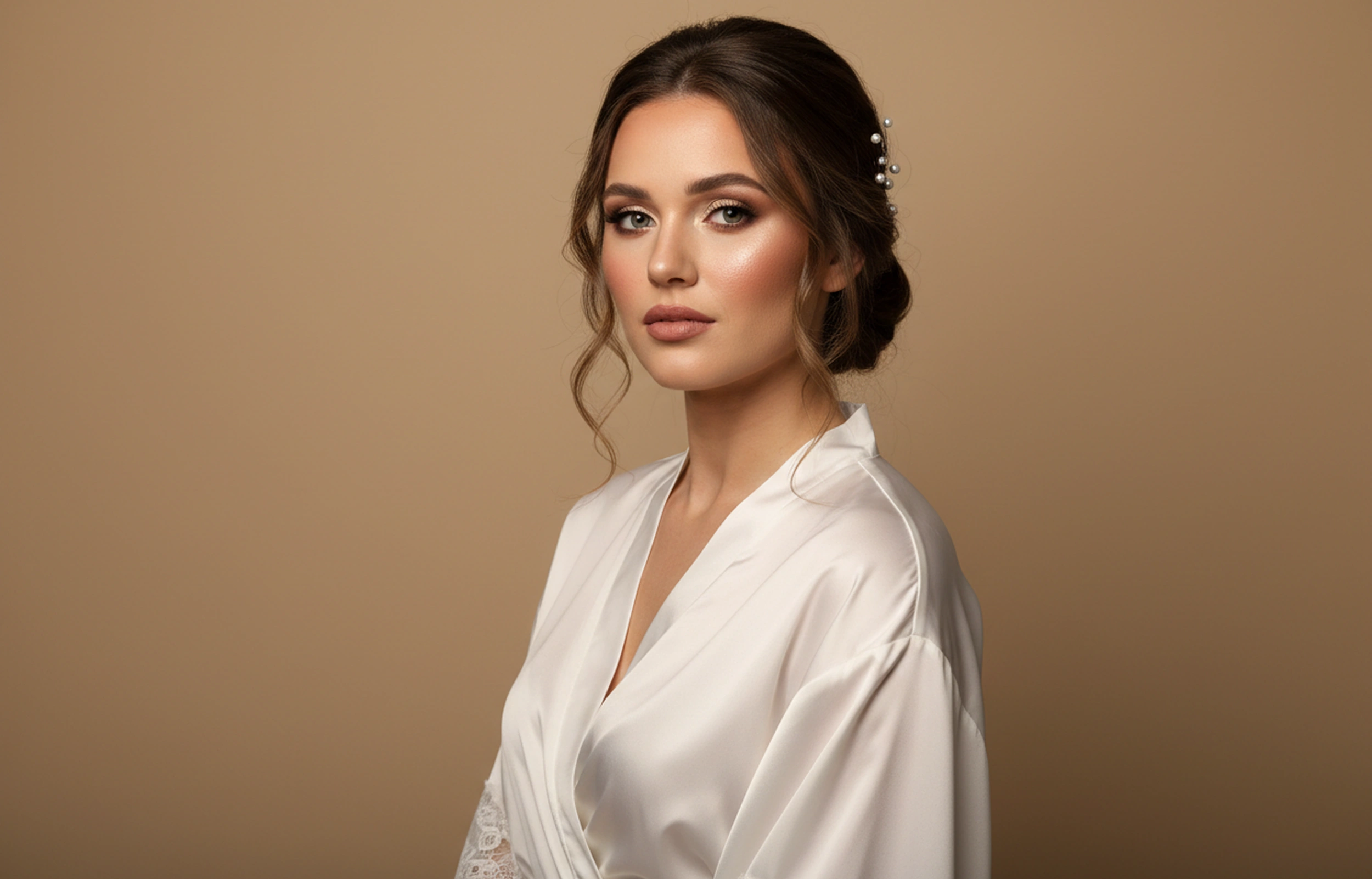
The trial isn’t about seeing what you’ll look like on your wedding day. It’s a test. You’re putting products on your actual skin and wearing them for several hours to see how they perform. Foundation that looks perfect in the first hour can oxidize by hour three. Hair that holds beautifully in the salon can collapse in heat and humidity. A trial catches these things in a low-stakes environment rather than on the morning itself.
It’s also a brief-building session. Your artist learns your face — your skin type, your bone structure, which features you want emphasized, which you don’t. That information doesn’t transfer from photos. It has to come from sitting across from you. And it works both ways: you get a clear sense of whether you’re comfortable with your artist, whether they listen, whether the direction they take aligns with what you actually want.
What the bridal makeup trial is not: a photoshoot, a finished product or a commitment to a final look. Things will change after the trial. That’s the point.
Timing matters more than most brides realise. Too early — six months out or more — and your skin, your fitness and your overall aesthetic might shift before the wedding. Too late — the week before — and there’s no time to course-correct if something needs adjusting. The sweet spot for most brides is six to ten weeks before the wedding date.
A few specific timing notes:
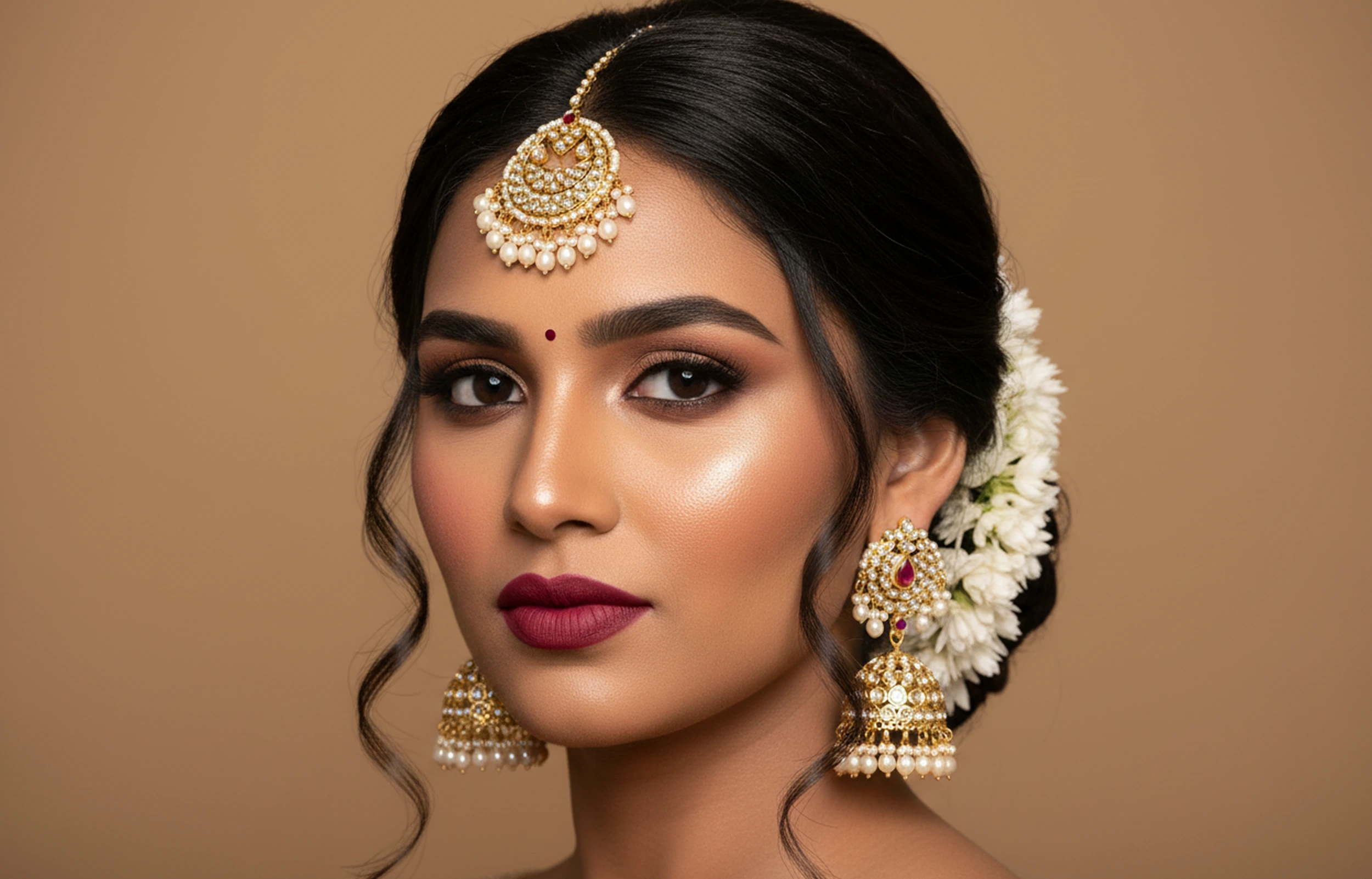
Come prepared. The more your artist knows going in, the more productive the session. This isn’t about having a Pinterest board ready — it’s about giving your artist the information they need to do their job well.
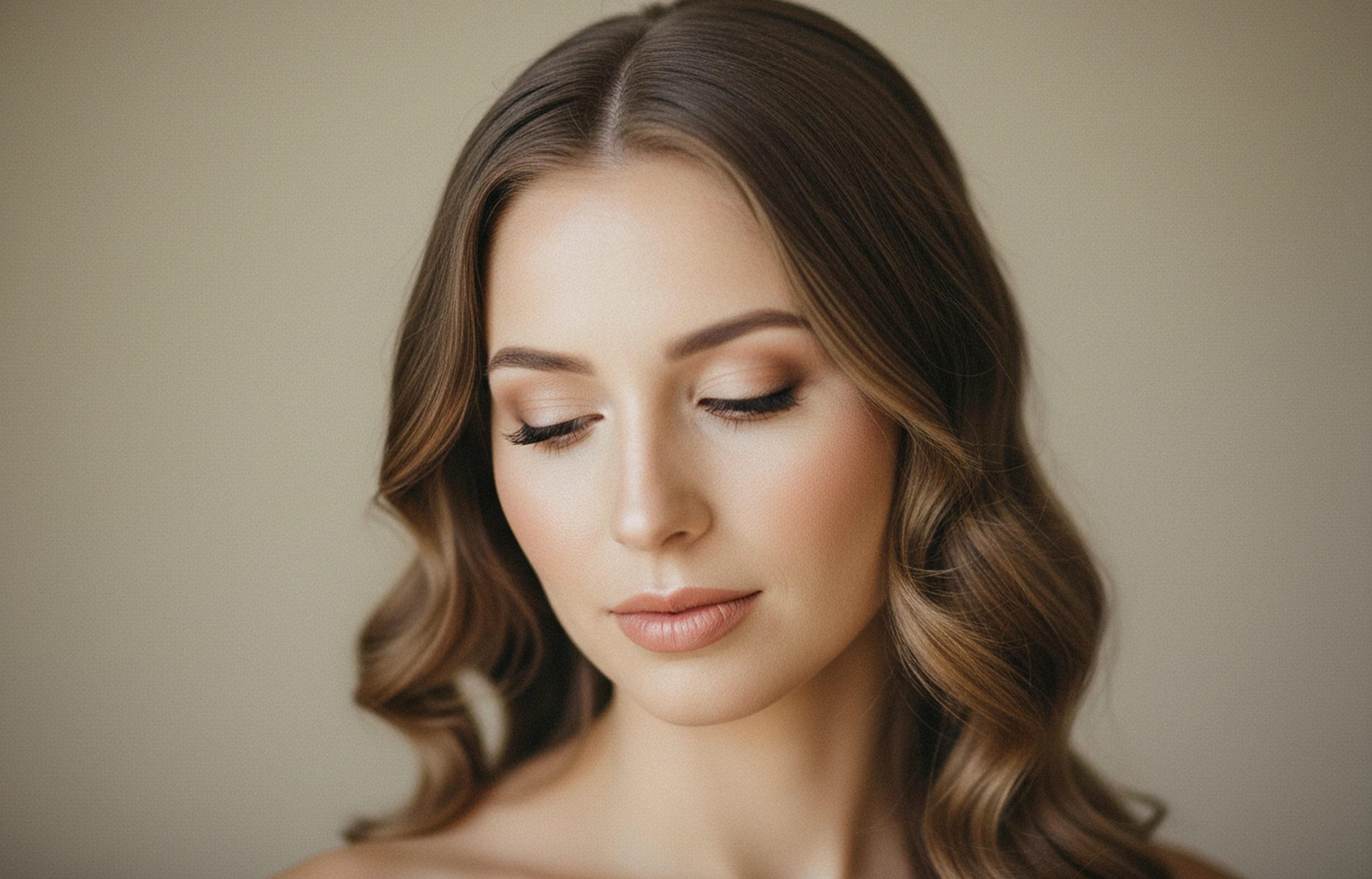
Plan for three to four hours if you’re doing both makeup and hair. Makeup alone runs two to two and a half hours. That might sound like a lot — but a rushed trial defeats the purpose. You need time for the application, time to assess it in different lighting, time to make adjustments and time to actually talk through what’s working and what isn’t.
We use that time to build a complete brief: your look, your timeline, your preferences, any specific cultural or ceremonial requirements. By the time your wedding morning arrives, your artist already knows exactly what they’re doing — it’s pure execution.
Every artist runs their session slightly differently. Here’s how ours typically flows:
That debrief at the end is where the real value sits. Don’t leave without it.
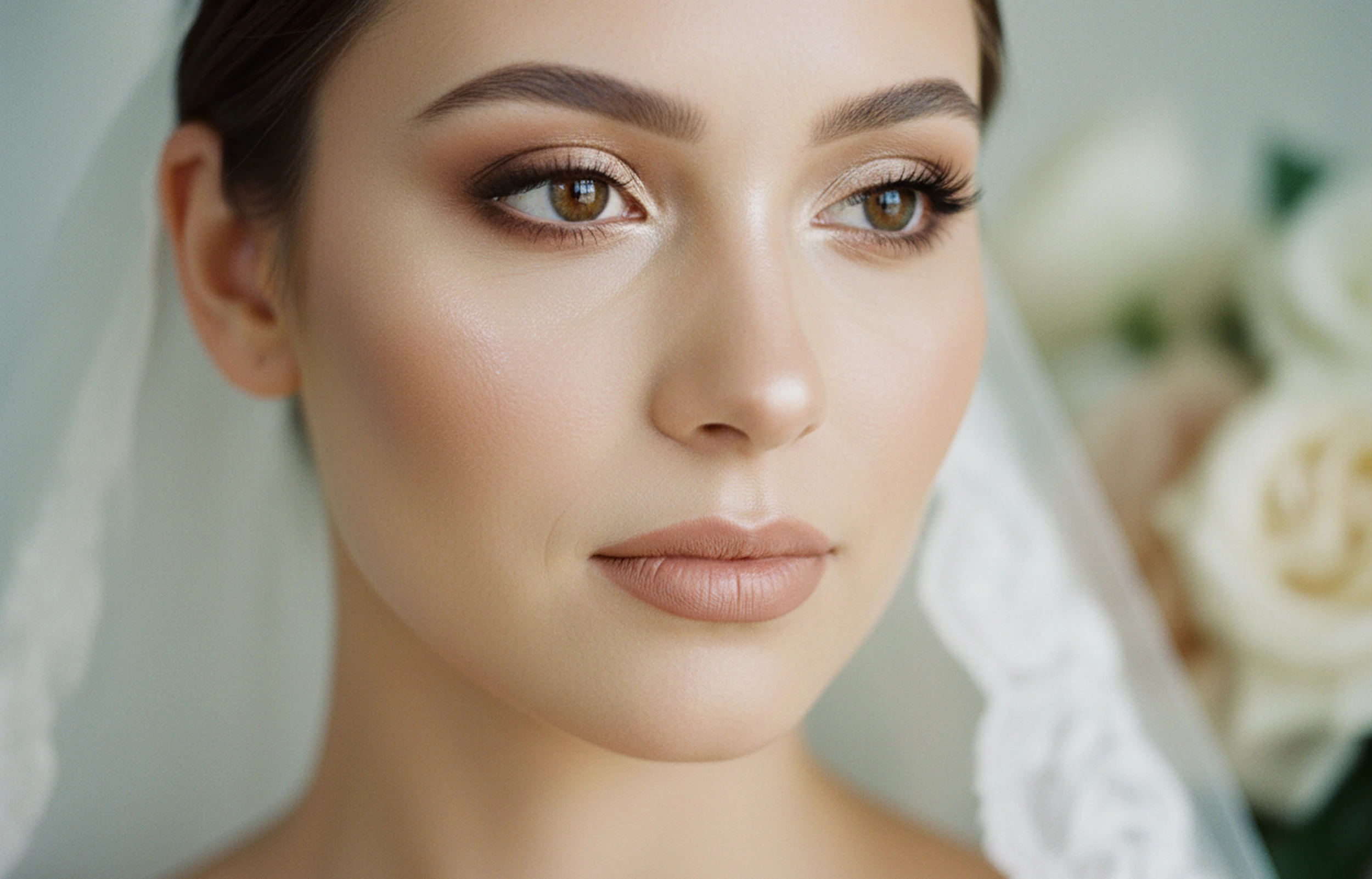
Wear the look for the rest of the day. That’s the whole point of the timing. How does the foundation look at hour four? Has the lip faded? Did the hair stay? Take photos in different lighting — daylight, indoor warm light, flash. Share them with your partner, your mum, whoever’s opinion matters to you. Then sleep on it.
Common adjustments after a trial:
None of these are problems. They’re exactly what the trial is for. Send your feedback to your artist within a day or two while everything is fresh.
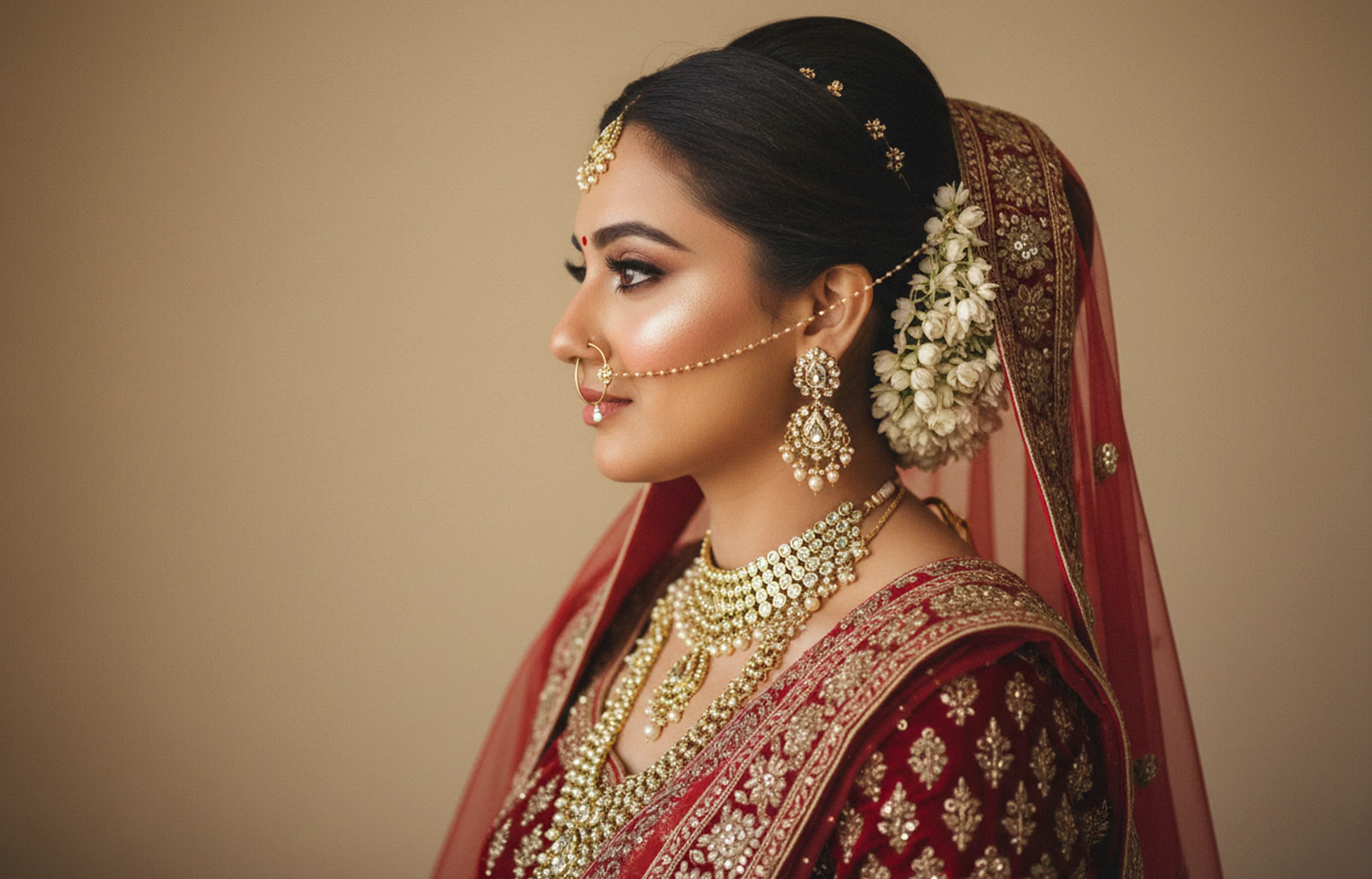
For most brides: one is enough, provided it goes well and the feedback is clear. For South Asian brides booking multiple events with different looks — mehndi, sangeet, ceremony, reception — a second session is worth considering. Not always, but sometimes the ceremony look and the reception look are different enough that a second trial for the reception is a practical call, not an indulgence.
If significant time passes between your trial and the wedding — more than four months — or if your skin changes substantially (new skincare routine, hormonal shifts, significant lifestyle change), a second trial makes sense. When in doubt, ask your artist. A good one will tell you honestly whether it’s necessary.
The Glam Mafia works with brides across Toronto, Brampton, Vaughan, Markham, Mississauga and the wider GTA. Every booking starts with a trial — it’s how we make sure your wedding morning is execution, not improvisation. If you have a date, reach out now. Trial slots book up, especially in peak season, and you want enough runway to adjust before the day.