Airbrush or traditional — it’s one of the most common questions we get from brides who are in the early stages of planning their wedding beauty. The short answer is that neither is universally better: they’re different tools that produce different results, and the right choice depends on your skin, your look, your environment and what you’re actually trying to achieve.
The longer answer is what this guide is for. We’ve worked with both methods across hundreds of weddings in the GTA and we’ve seen both succeed and both fail — always for specific, predictable reasons. Here’s the honest breakdown.
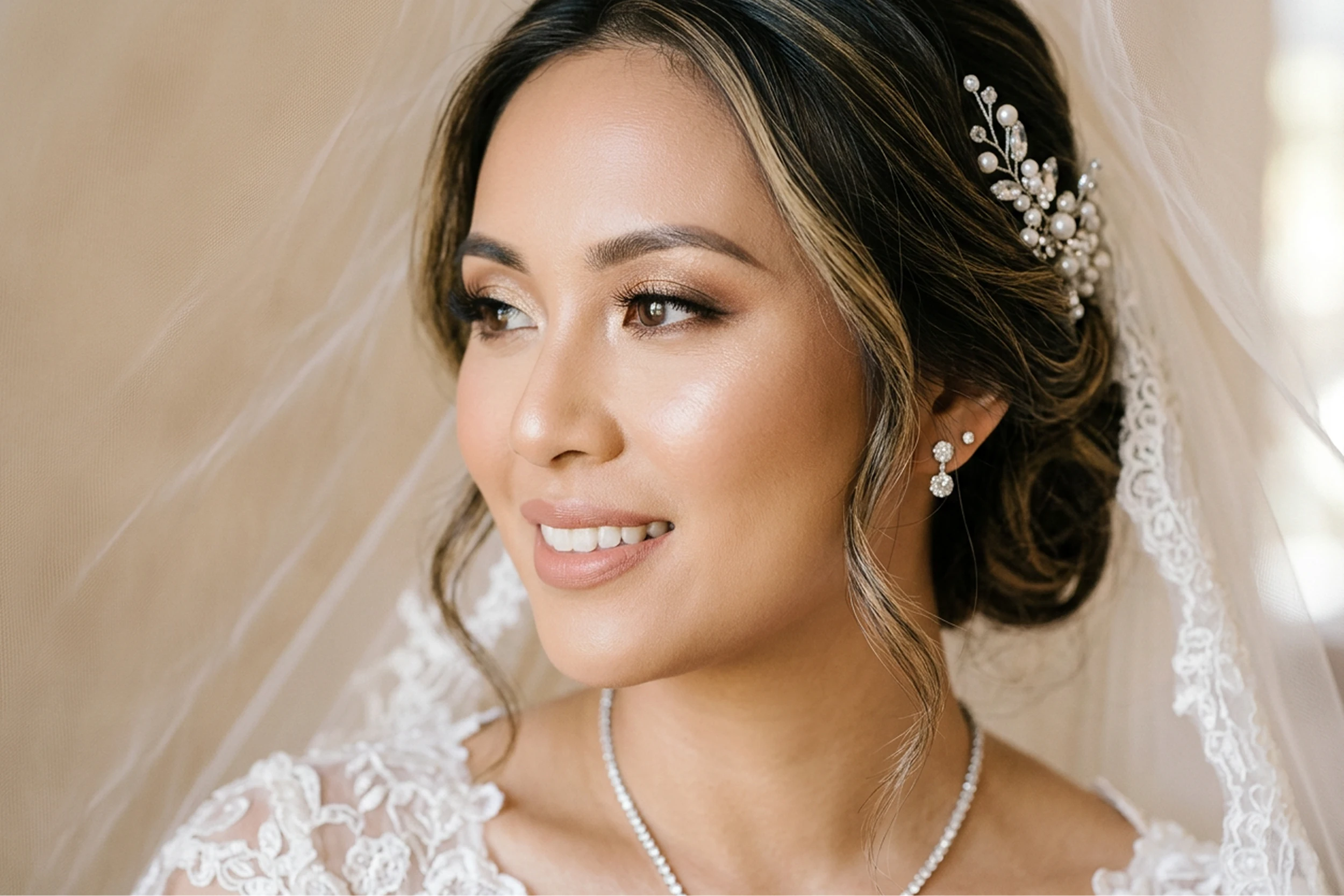
Traditional makeup is applied by hand using brushes, sponges and fingers to blend foundation, concealer and other base products directly onto the skin. It’s the method that’s been used professionally for decades and the one that most people are familiar with from their own experience with makeup.
The products used in traditional application range widely in formula — liquid, cream, powder, stick — and the artist selects based on the skin type, the desired finish and the conditions the look will perform in. The result, when done well, is a seamless, skin-like base with a finish that can range from completely matte to dewy and luminous depending on the product and technique.
Airbrush makeup is applied using a compressor and a small handheld gun that sprays a fine mist of product directly onto the skin in thin, buildable layers. The formula is typically silicone-based or water-based, and because it’s applied in such fine layers, the coverage is buildable without becoming heavy or cakey.
The finish is extremely smooth and consistent — you don’t see brush strokes or sponge texture — and it tends to photograph very cleanly because of how evenly the product sits on the skin. It requires specialised equipment and training, which is why not every artist offers it. At The Glam Mafia, airbrush is available with select artists and carries an add-on fee to the standard service.
The marketing around airbrush makeup tends to oversell it as the automatic premium choice — longer lasting, more flawless, better for photography. The reality is more nuanced. Both methods, in the hands of a skilled artist using the right products, can produce exceptional results. Both can also fail when the wrong method is chosen for the wrong skin type or environment. The difference isn’t about quality; it’s about fit. Understanding where each method genuinely excels helps you make the right call for your specific situation.
| Airbrush | Traditional | |
| Finish | Ultra-smooth, even, consistent | Flexible — matte to dewy |
| Coverage | Buildable, light-to-full | Buildable, light-to-full |
| Best for skin type | Oily to normal, smooth texture | All skin types incl. dry, mature |
| Photography | Very clean, no texture | Excellent with right products |
| Longevity | Very long-wear (silicone base) | Excellent with setting products |
| Touch-ups | Harder to touch up mid-day | Easy to touch up with same products |
| Humidity performance | Strong — silicone resists moisture | Strong with right formula choice |
| Cost | + fee add-on | Included in standard service |
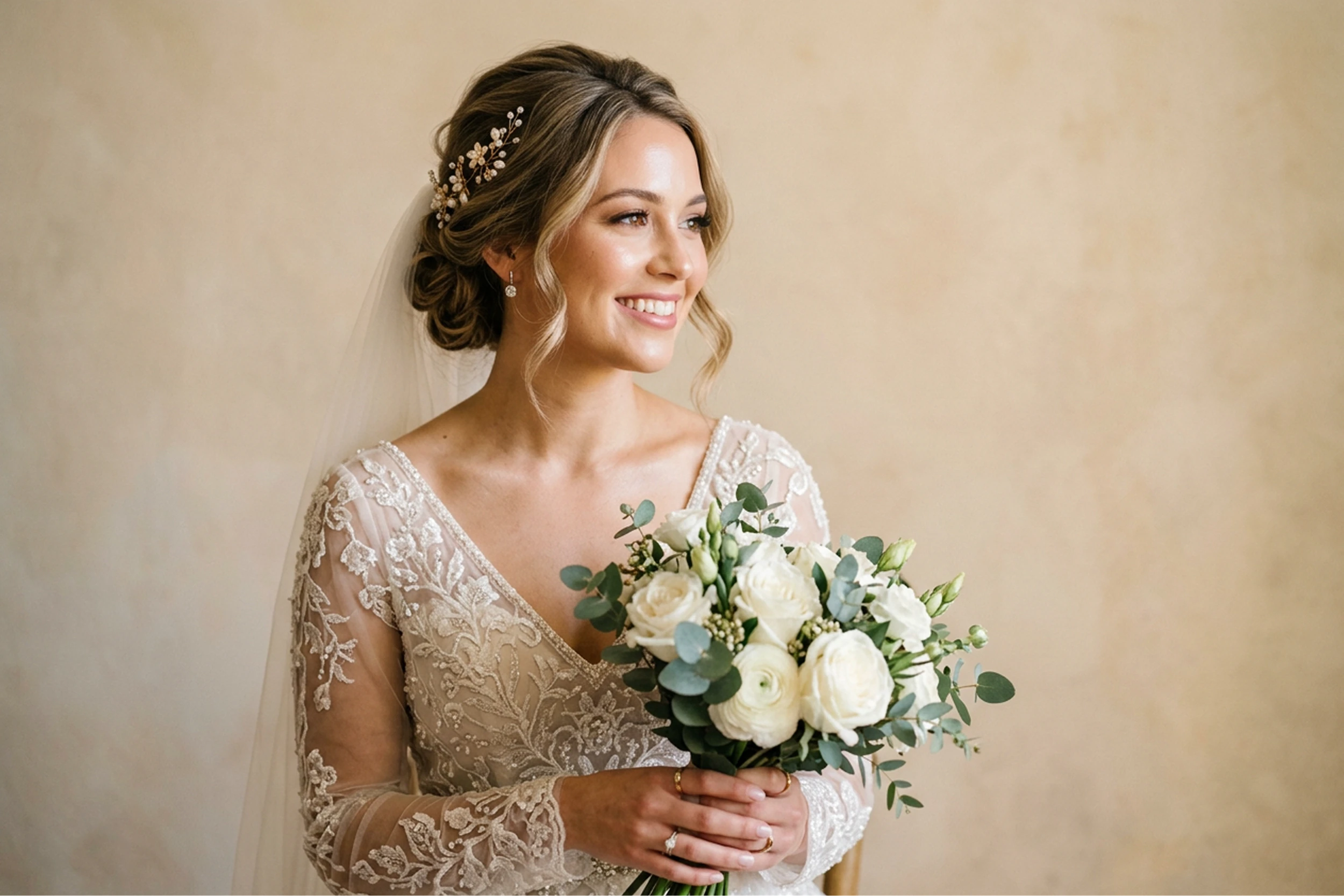
Airbrush has genuine advantages in specific situations — and understanding those situations is the key to knowing whether it’s the right choice for you. The method was developed for photography and film, which is why it performs so consistently well in high-definition images and video.
If your wedding has extensive videography — a full cinematic package with close-ups throughout the day — airbrush is worth serious consideration. The spray application creates a finish that reads as skin on camera rather than makeup, which is difficult to replicate consistently with traditional methods even when the artist is highly skilled.
Climate performance is another genuine strength. Silicone-based airbrush formulas are inherently resistant to moisture — they don’t absorb into the skin the way traditional products do, which means humidity has less effect on wear. For a summer wedding in the GTA, an outdoor ceremony in July, or a destination wedding in a tropical climate, the longevity advantage of airbrush in humid conditions is real and worth factoring in. It’s also a strong choice for oily skin types for the same reason: the silicone formula sits on top of the skin rather than interacting with sebum, which reduces oxidation and mid-day breakdown.
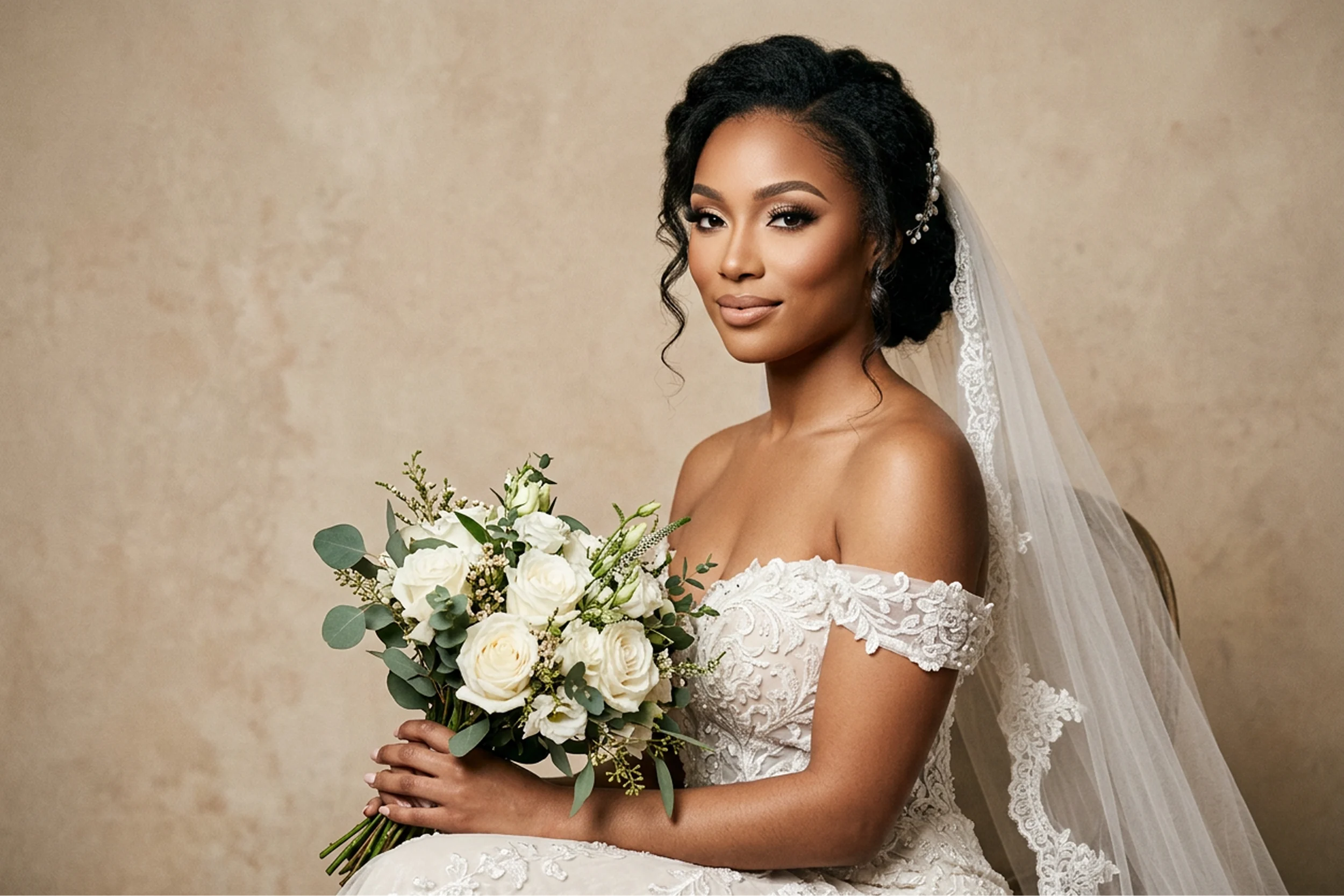
Traditional makeup is more versatile than airbrush in several important ways — and for many brides, those advantages outweigh the benefits of the spray method. The most significant is skin type compatibility. Airbrush formulas, particularly silicone-based ones, can be problematic on dry or mature skin — the formula sits on top of the skin rather than blending into it, which can settle into fine lines and dry patches in a way that looks worse, not better, than traditional application.
Experienced artists know how to mitigate this, but the risk is real and worth knowing about. Traditional makeup, applied by hand with the right products for your skin type, gives the artist more control to work with the specific texture and needs of your skin.
Traditional makeup is also easier to touch up through the day. Airbrush formulas require the same equipment to add coverage — you can’t blend more in with a sponge or your fingers the way you can with a traditional product. That means if something needs refreshing mid-reception, you need either the artist present with their compressor or a different product entirely.
A traditional touch-up kit — a small compact, a lip product, a blotting paper — is genuinely functional and portable. The creative range is also broader with traditional methods: the variety of formulas, finishes and textures available for hand application is significantly wider than what’s available in airbrush-compatible formulas.
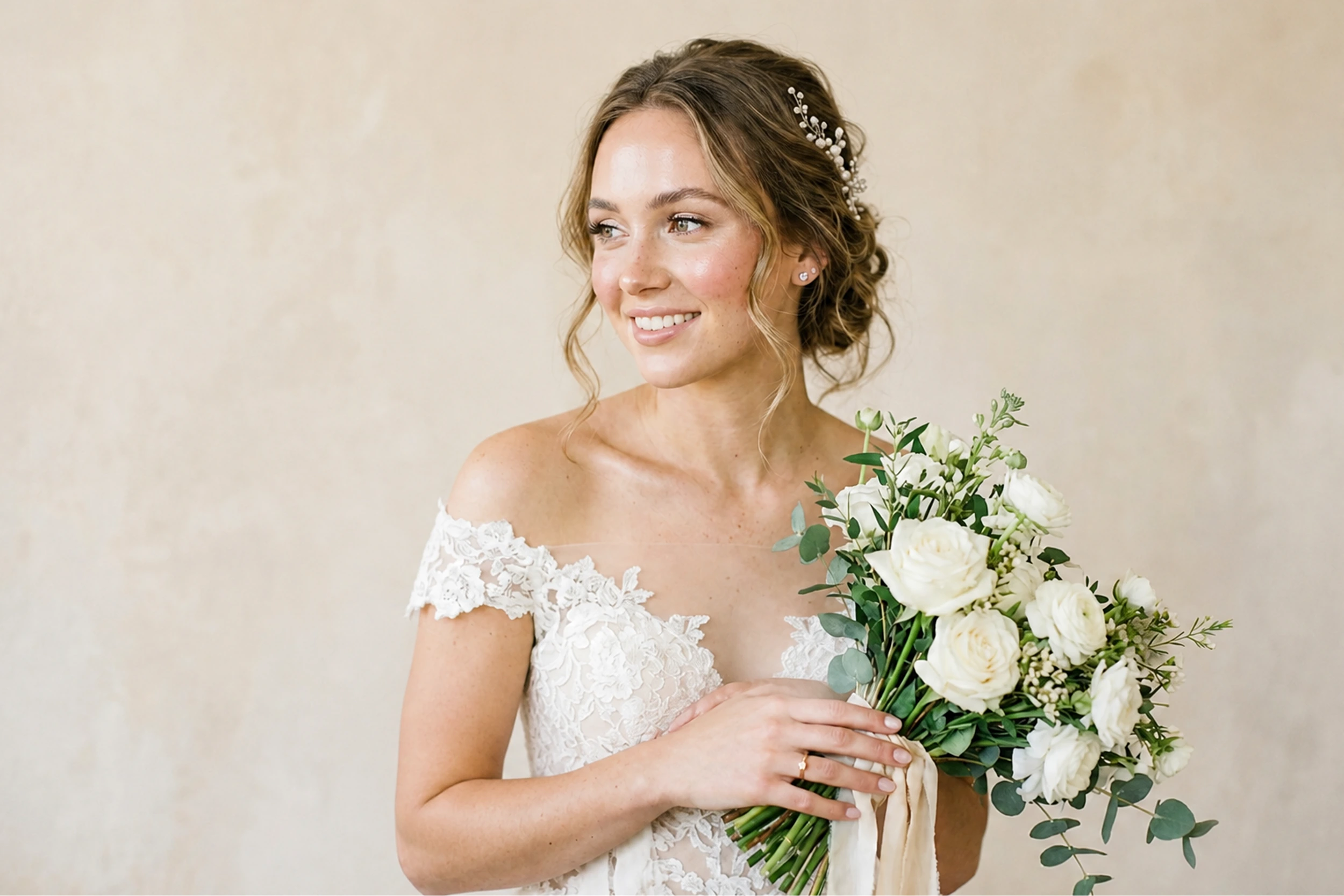
The airbrush-versus-traditional framing is a bit of a false binary, and it’s worth saying so. Many of the best bridal looks we produce use elements of both. Airbrush foundation for the base — taking advantage of the longevity and camera-ready finish — with traditional products for contouring, blush and the eye look, where a hand-blended approach gives more control and creativity. The hybrid approach gets you the genuine advantages of airbrush where they matter most (the base, the overall skin finish) without sacrificing the flexibility and range that traditional products provide for the rest of the look.
It’s not a compromise — it’s a deliberate choice that plays to the strengths of both methods. Some artists default to one or the other regardless of the bride; the ones we work with make the decision based on the specific skin, the specific look and the specific environment. If you’re considering airbrush and you’re not sure whether it’s right for your skin, the trial is exactly where that question gets answered. You wear the look for several hours, assess how it’s performing and adjust before anything is locked in for the day.
Rather than a universal recommendation, here’s a practical filter you can apply to your own situation. Start with your skin type — it’s the most reliable predictor of which method will perform better for you specifically. Then factor in your environment, your look preferences and your budget. The trial will confirm or adjust the direction, but this framework will get you to the right starting point before you walk in.
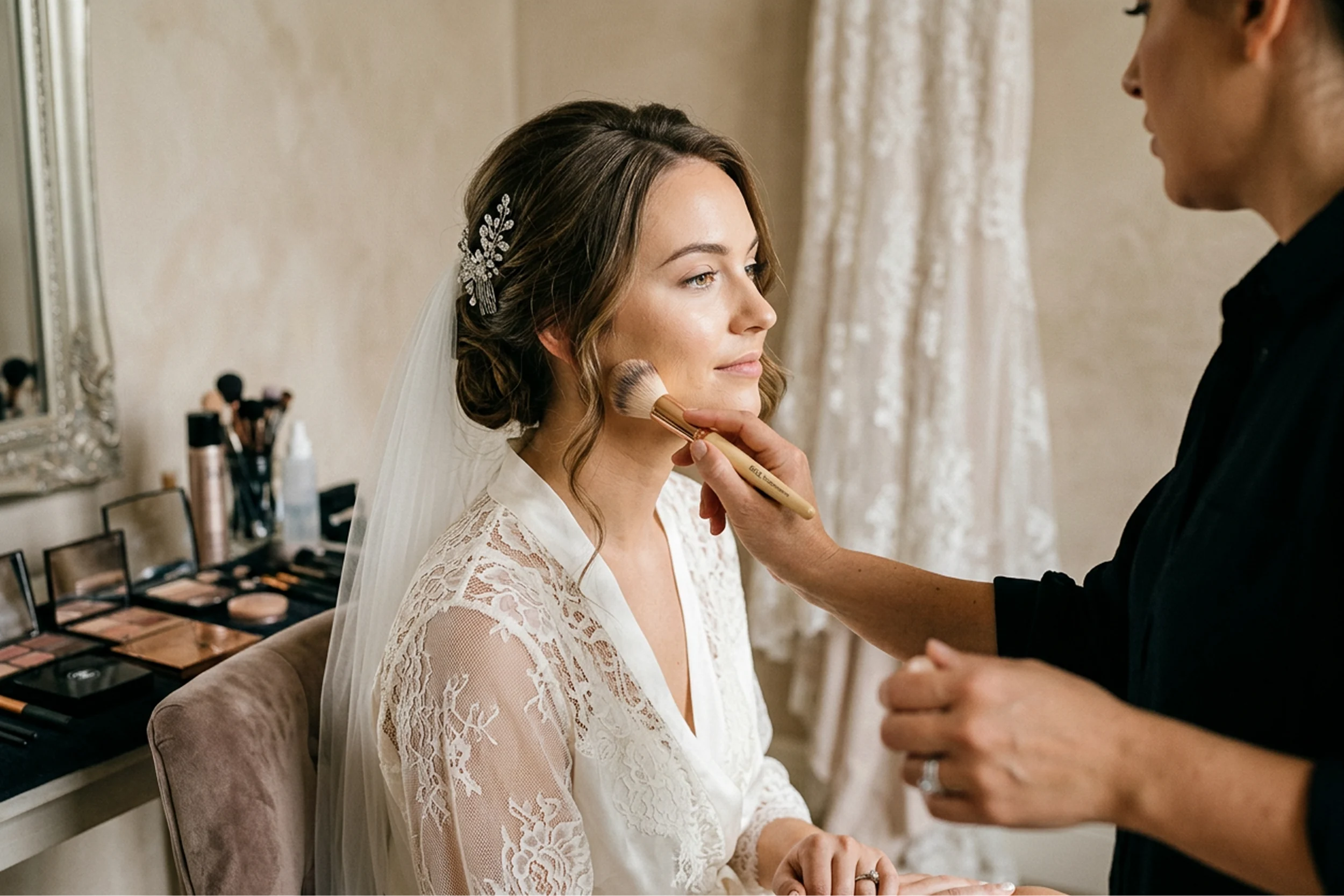
The honest answer to ‘airbrush or traditional’ is that it depends — and the only way to know for certain is to test both on your skin, in real conditions, with enough time to see how the look wears over several hours.
That’s exactly what the bridal trial is designed to do. We can build a look using one method, photograph it, assess it and adjust before your wedding day. If you’re curious about airbrush specifically, tell us at the time of booking — we’ll make sure your trial artist is one of the team members who offers it. Airbrush is available as fee add-on to any standard makeup service.
The Glam Mafia works with brides across Toronto, Brampton, Vaughan, Markham, Mississauga and the GTA. Mobile and on-location — we come to you. If you have a date and you’re ready to start the conversation, use the form below.